Quality Testing & Inspection
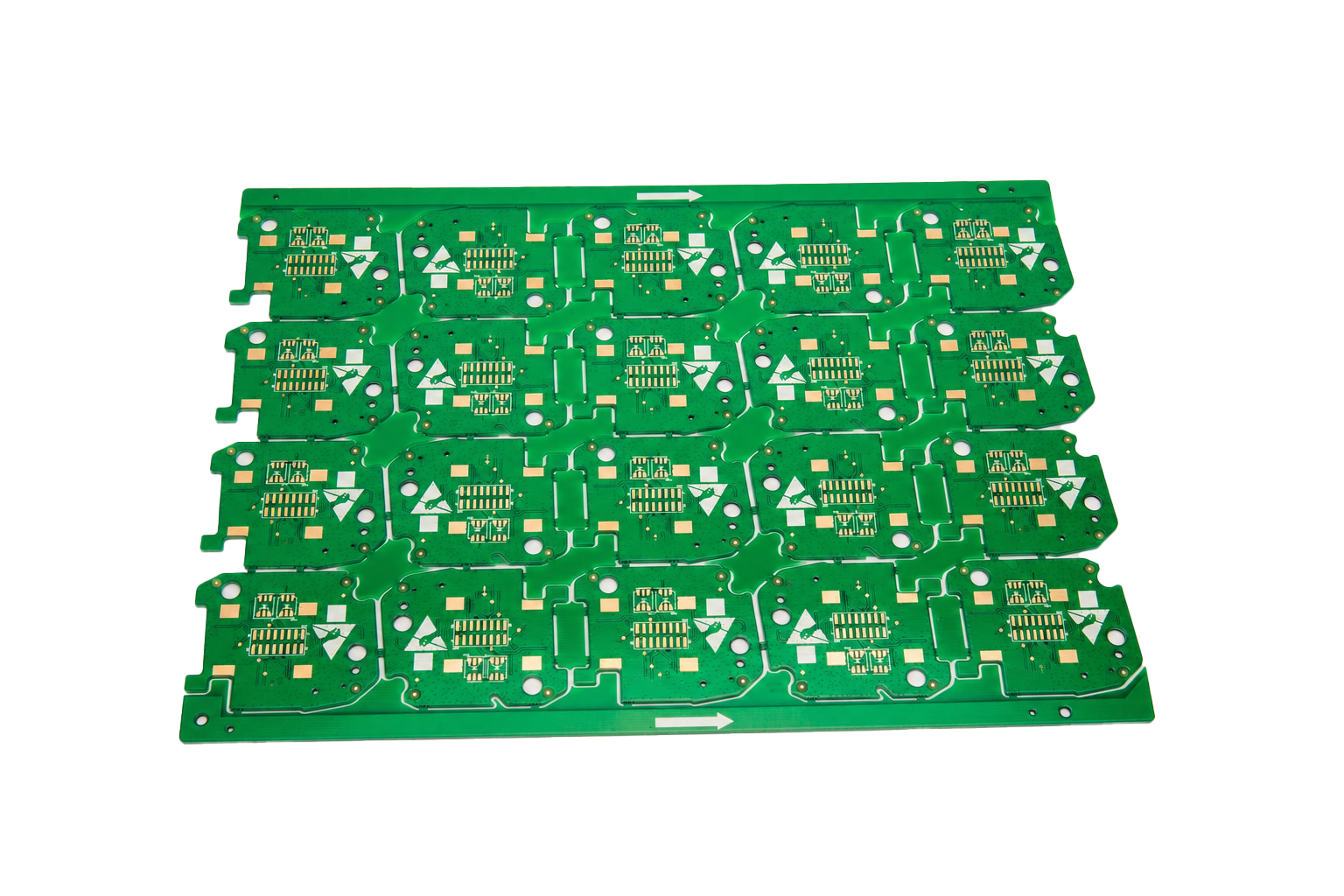
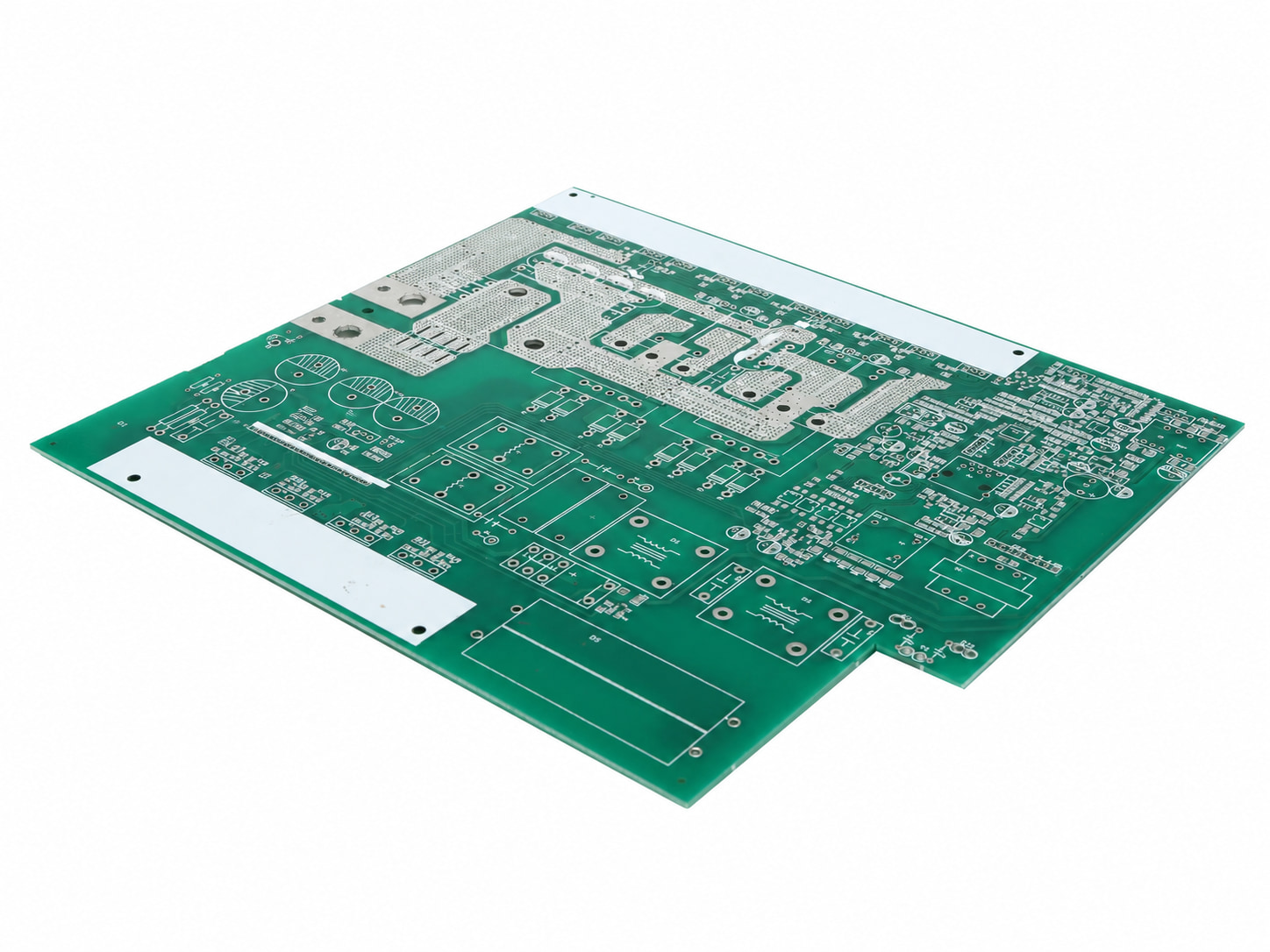
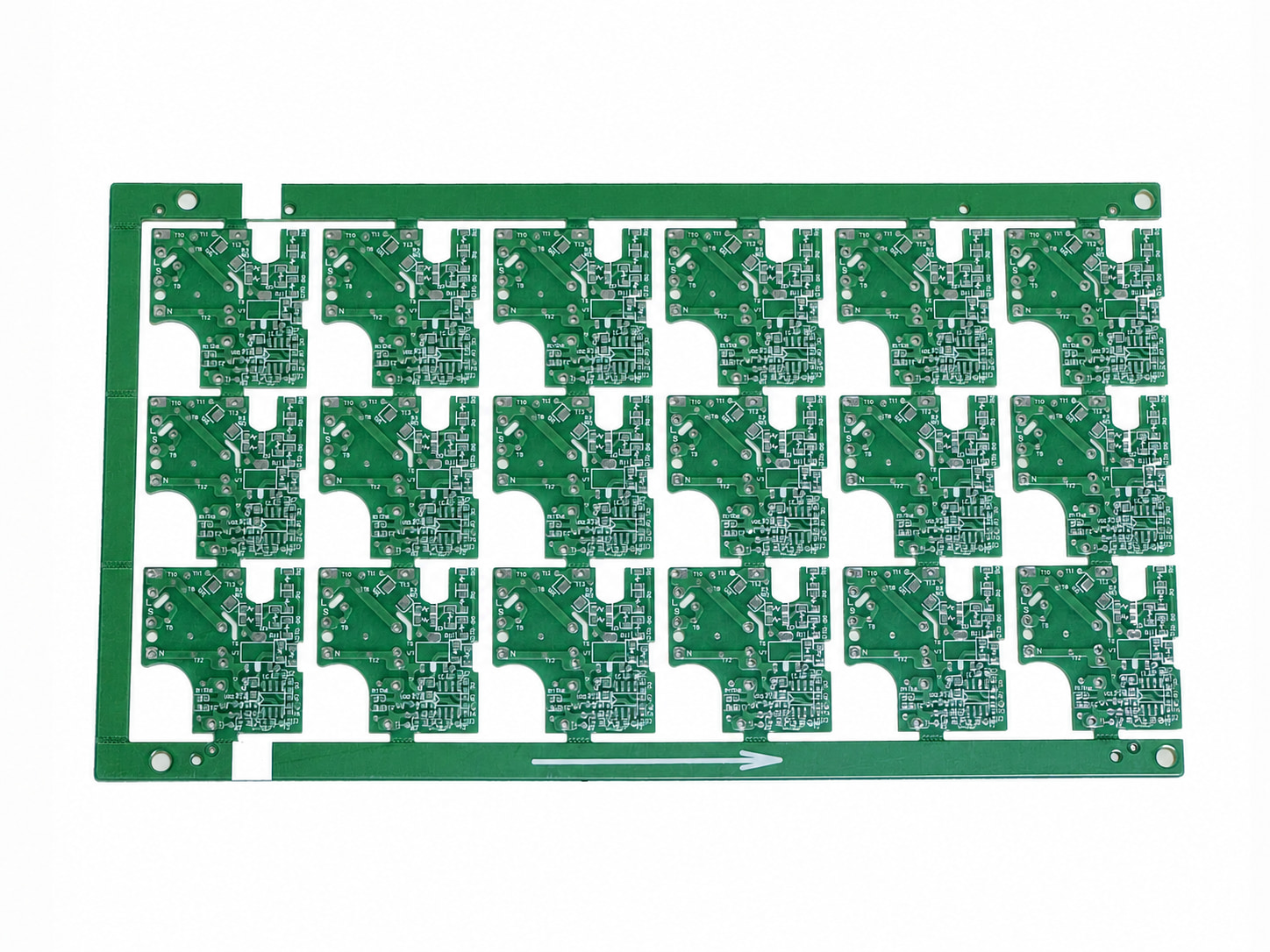
To optimize outgoing quality and minimize defect rates for double-sided boards, Sunhope combines board-level release checks with lot-based process verification for double-sided PCBs. The inspection route is built around the risks created by two copper-image sides and plated-through-hole interconnection, with electrical continuity and isolation, circuit-pattern condition, dimensions, PTH structure and assembly readiness verified by the method suited to each characteristic:
Electrical Testing
Every finished double-sided PCB receives 100% netlist-based continuity and isolation testing. Flying probe is normally selected for prototypes, quick-turn builds or suitable lots, while dedicated fixtures may be used where volume and repeat demand justify the tooling. Electrical testing detects opens and shorts in the approved network; it does not by itself verify material identity, hole-wall copper thickness or long-term field reliability.
Circuit-Pattern Inspection
AOI or the applicable optical route checks both copper-image sides at the relevant production stage. The inspection program is aligned with the released image data to identify visible pattern conditions such as opens, shorts, neckdowns, residual copper or pinholes. Solder-mask position and final surface condition remain subject to their corresponding process and release checks.
Bow & Twist
Board shape is evaluated against the construction, thickness, panel design, assembly method and applicable procurement requirement. The measurement frequency and acceptance limit follow the approved control plan rather than a single value being assumed for every double-sided product. Results are recorded against the lot when the characteristic is included in the release plan.
PTH Microsection
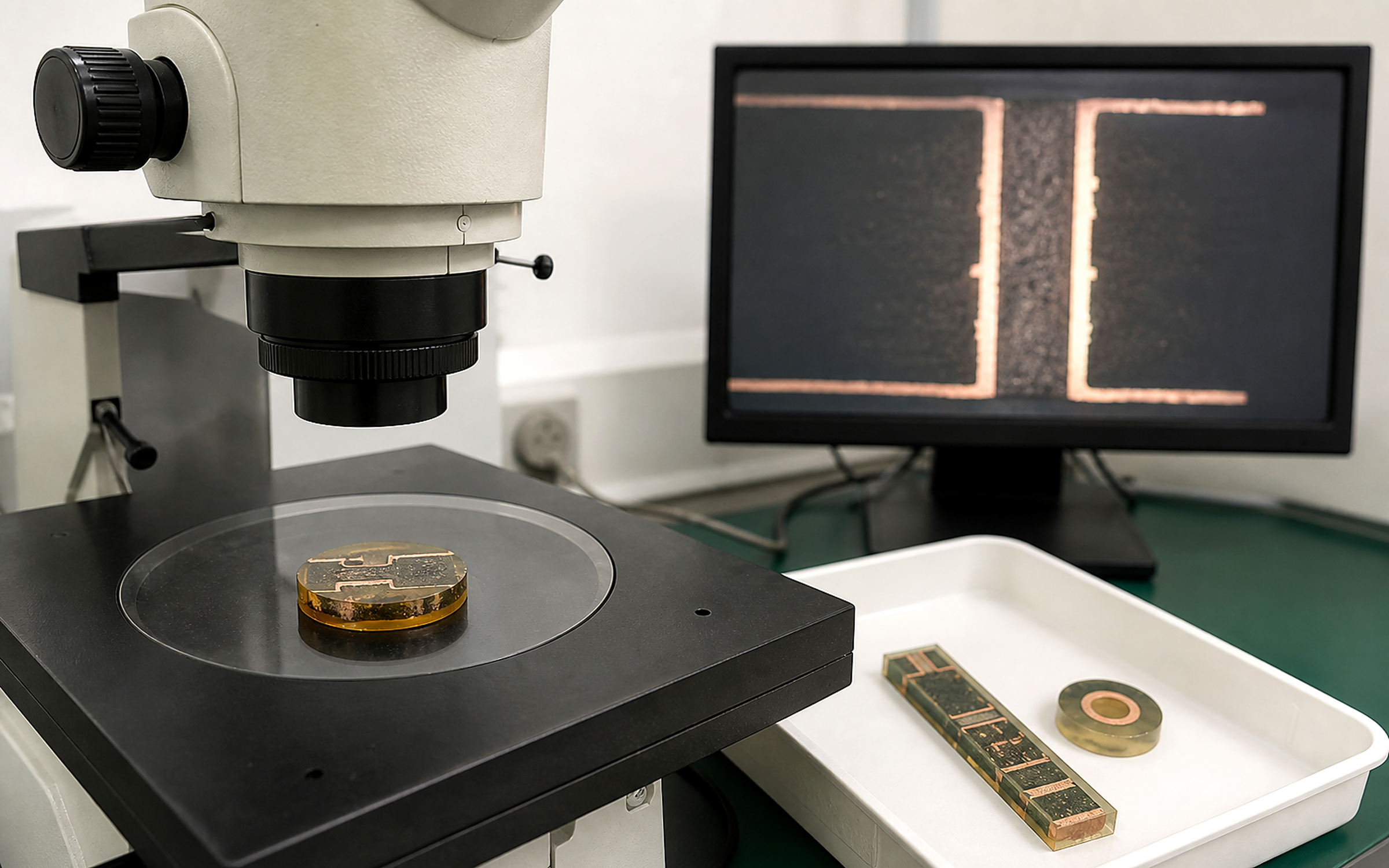
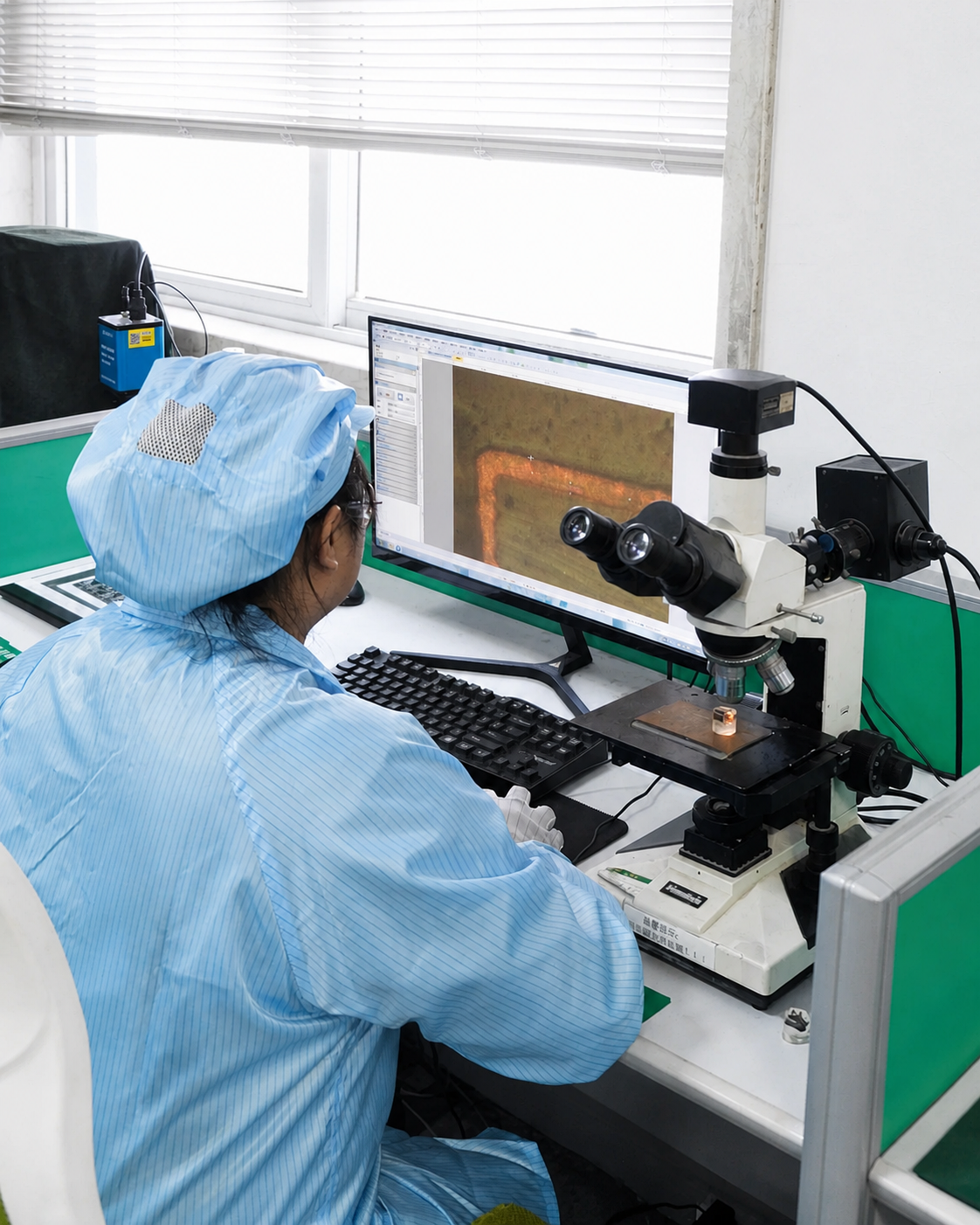
Production coupons or sampled specimens are prepared at the defined lot, periodic or project frequency. Cross-sectional review verifies the characteristics specified by the control plan, such as hole-wall copper, plating distribution and relevant interface condition. Because microsectioning is destructive, its sampling basis and acceptance criteria are confirmed before production release.
Thermal Stress & Solderability
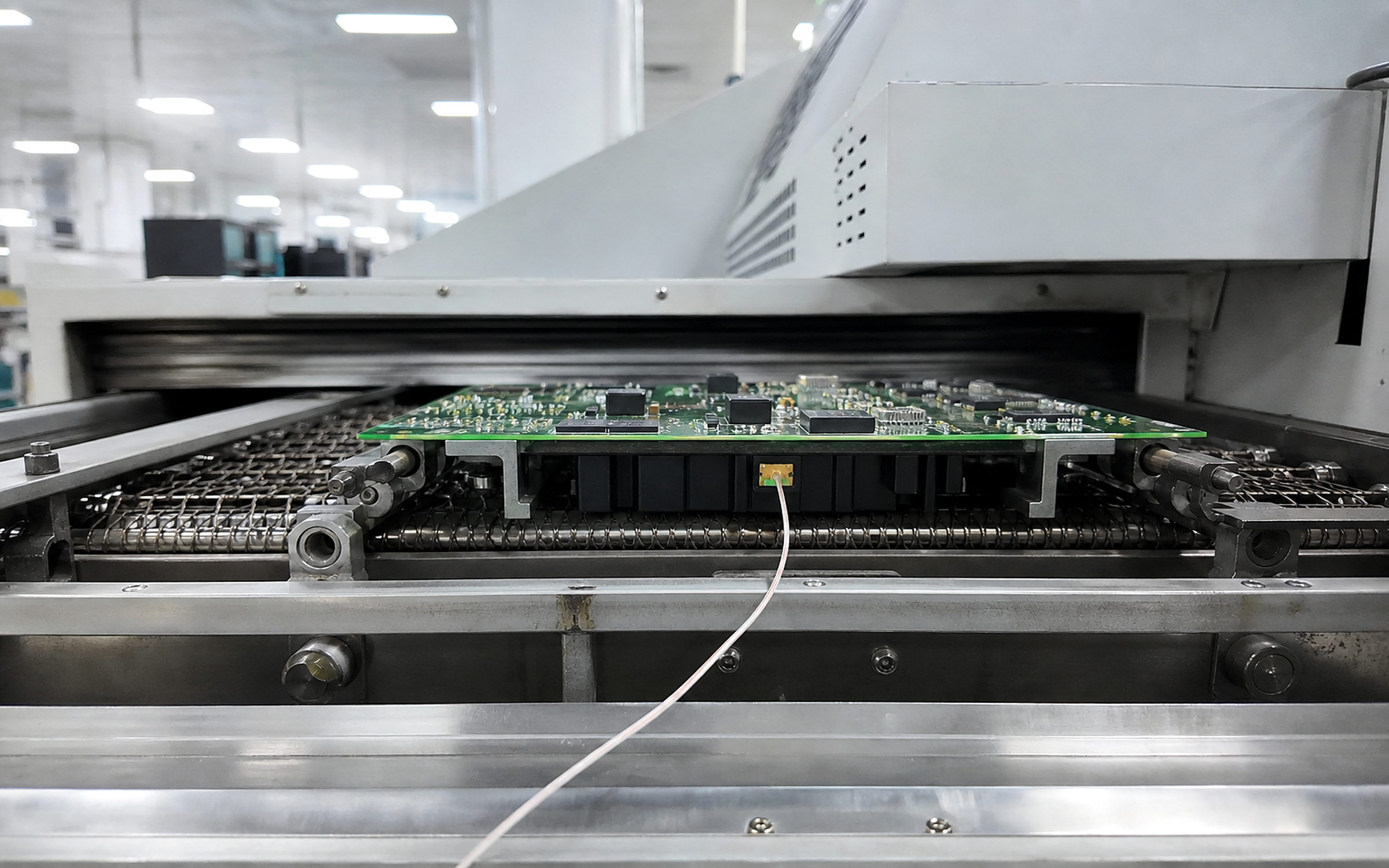
Selected production coupons or samples undergo the applicable thermal-stress and solderability methods when required by the material, surface finish, control plan or customer specification. Test temperature, cycle, sample frequency and acceptance criteria follow the referenced method. The resulting record confirms the tested laminate, PTH or wetting characteristic only; it is not presented as unrestricted validation of downstream assembly or field life.
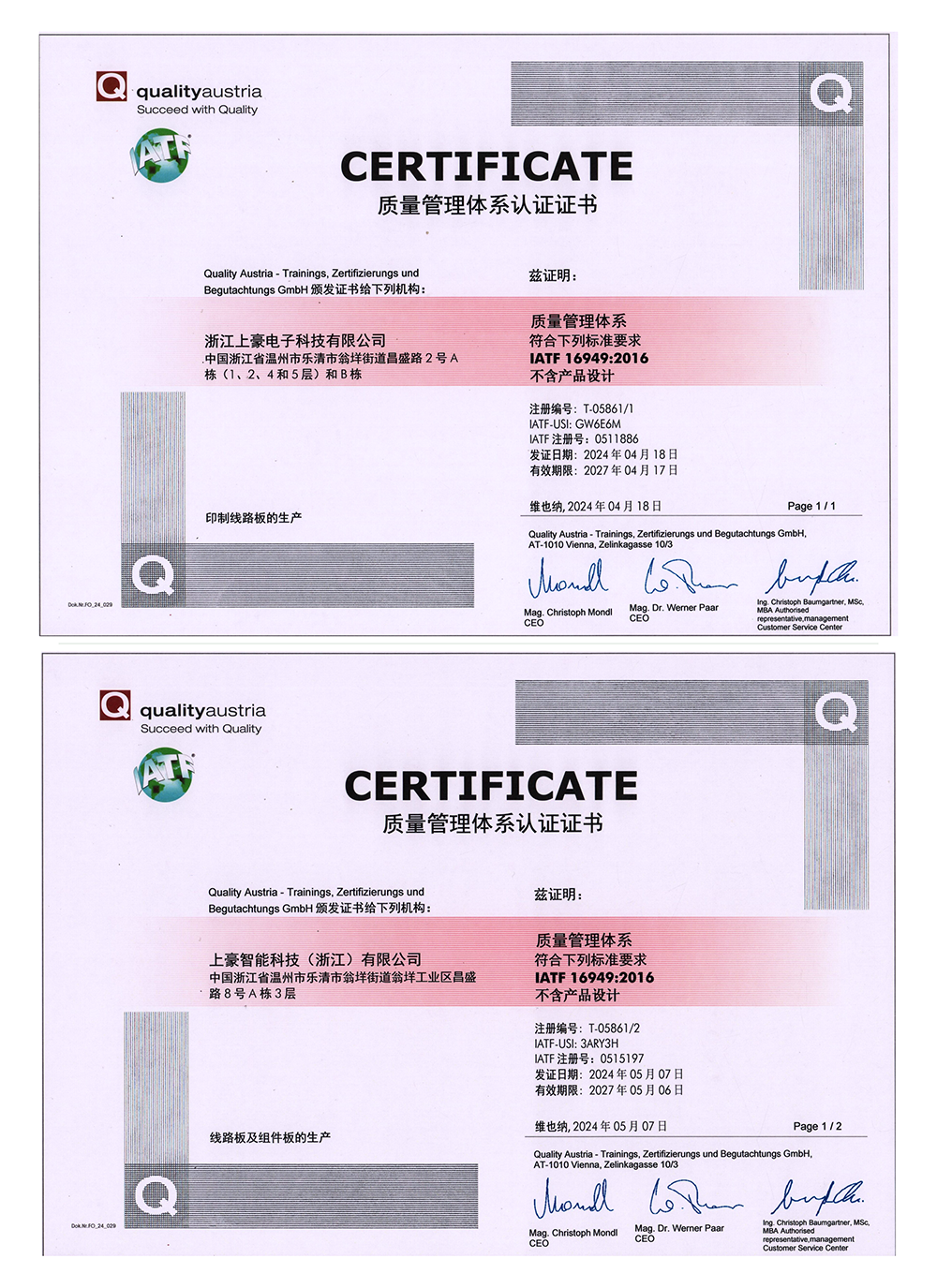
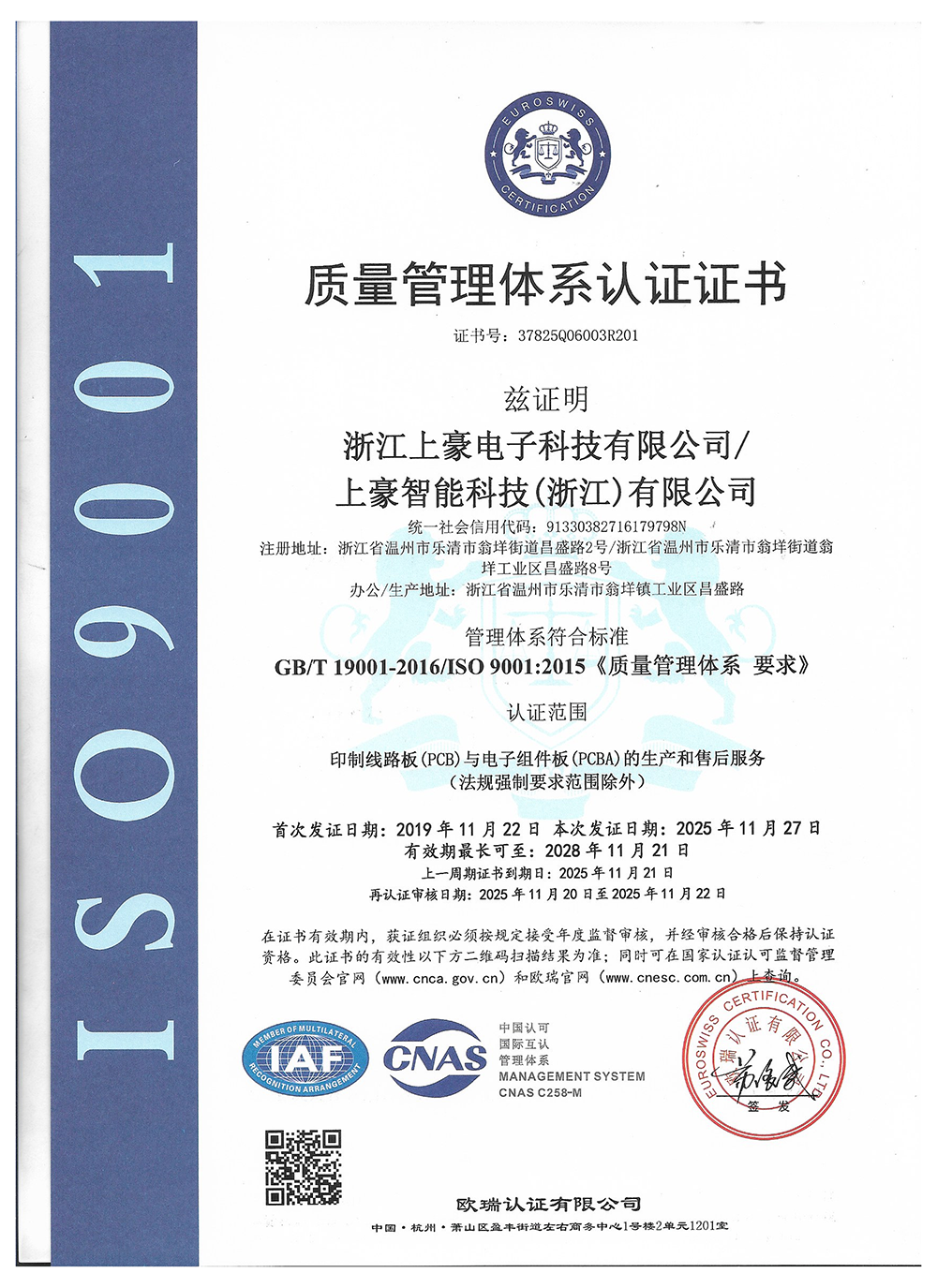
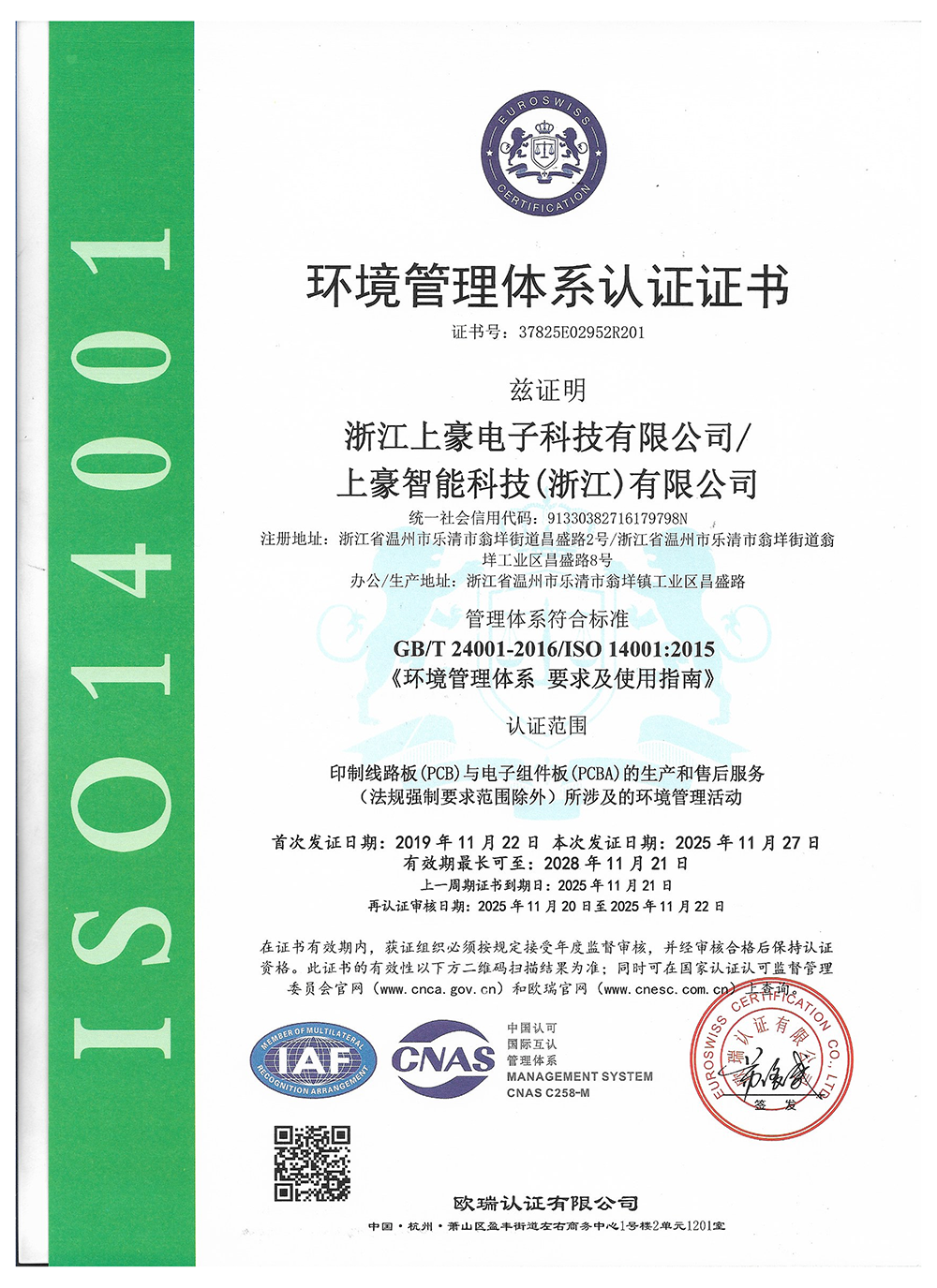
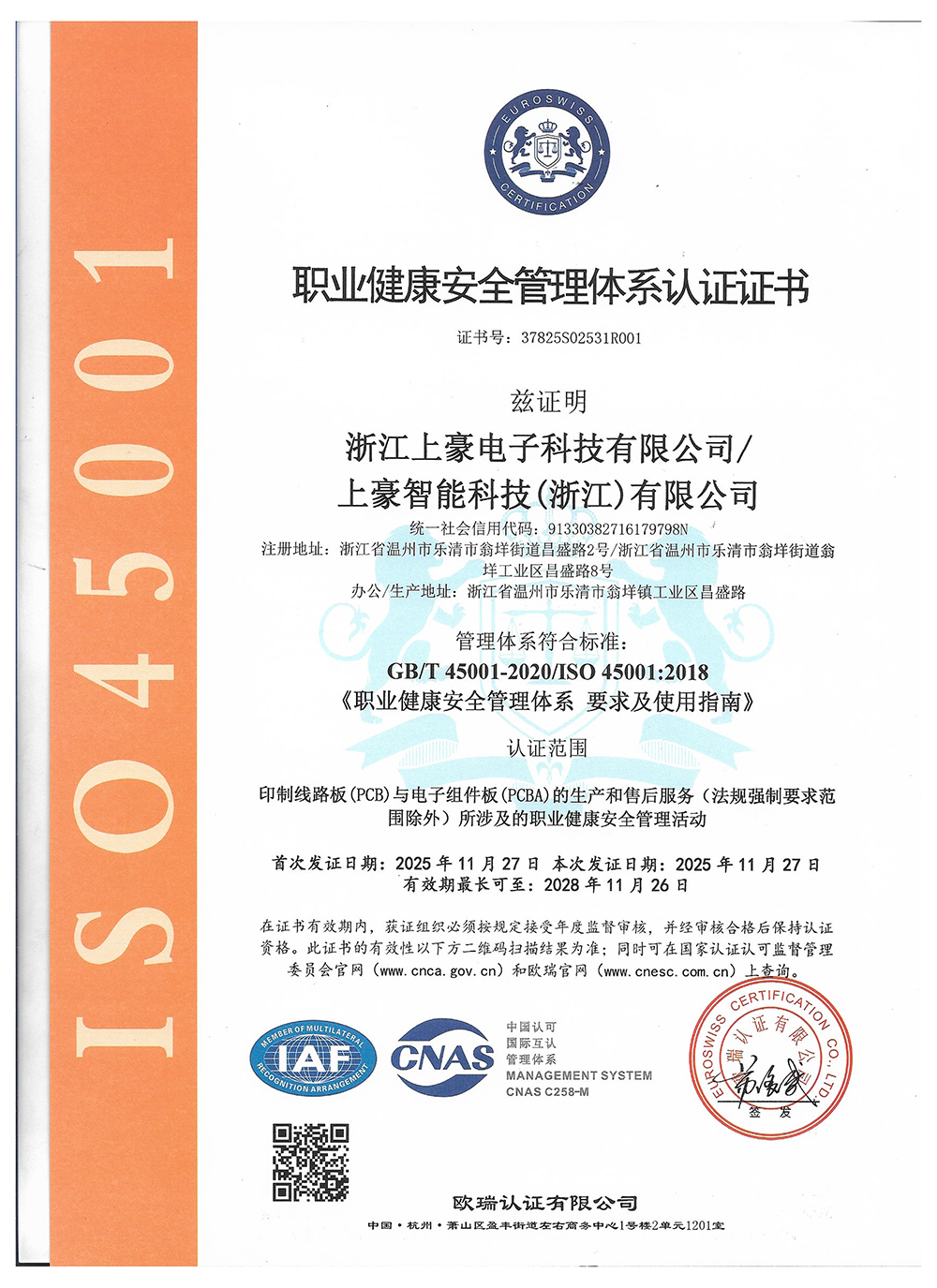
Inspection reports, electrical test records, microsections, and certificates of conformance are available according to project requirements.





 Q4 2026 Electronics Supply Chain Outlook for PCB and PCBA Buyers
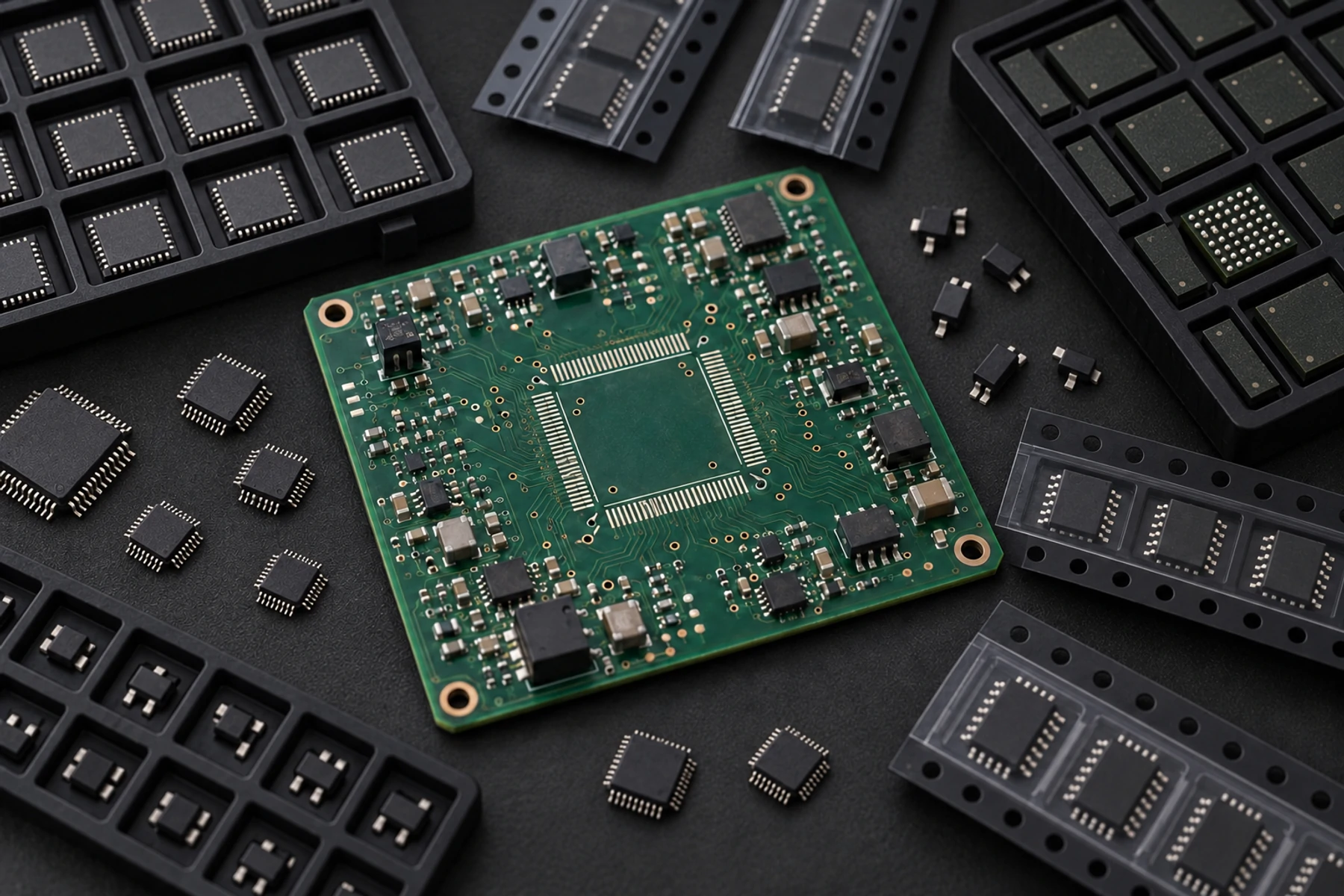 Semiconductor Market Growth Does Not Mean Every BOM Is Easy to Source
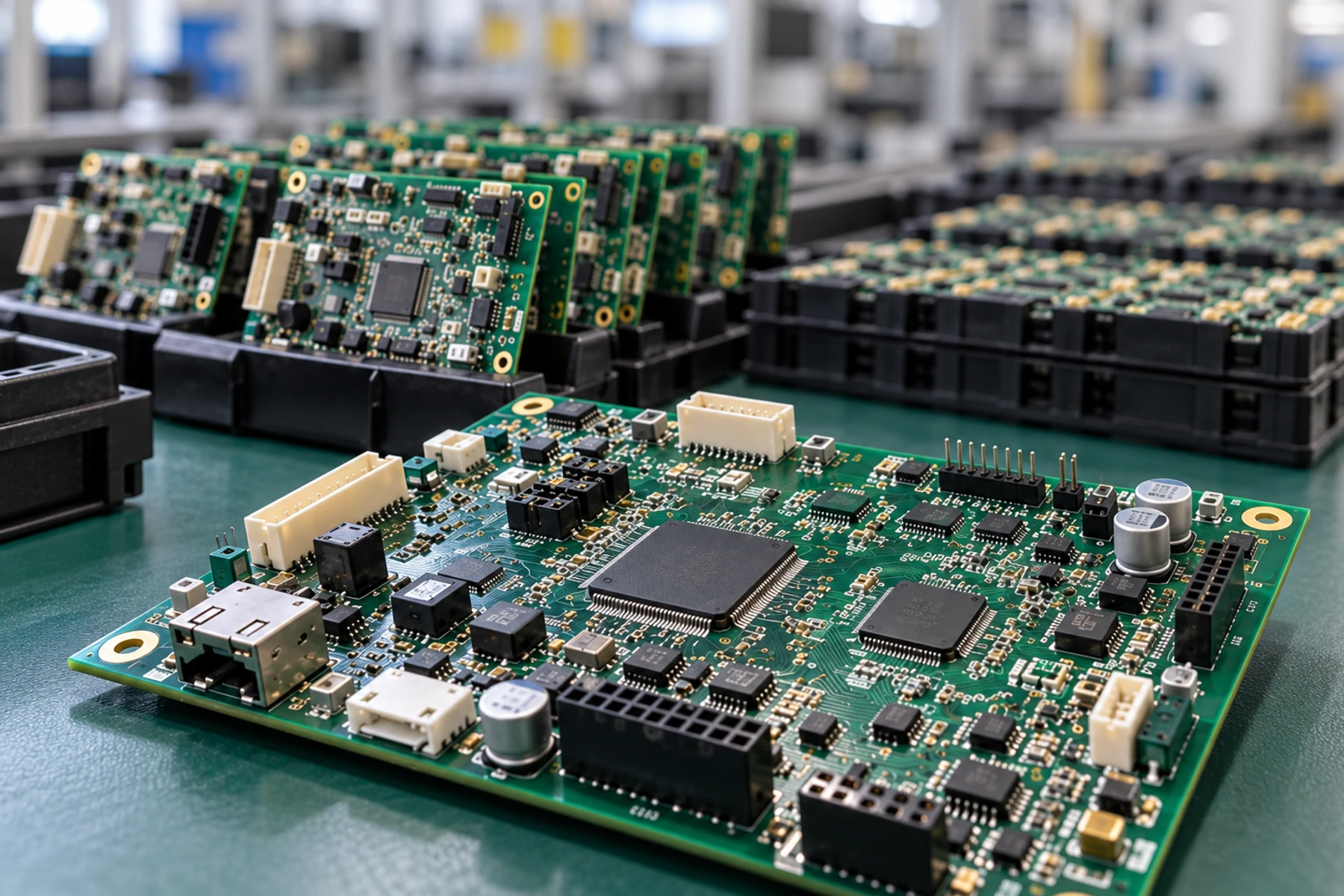 PCB Prototype to Production-Ready PCBA: Files, Pilot Builds, Testing, and Release Control
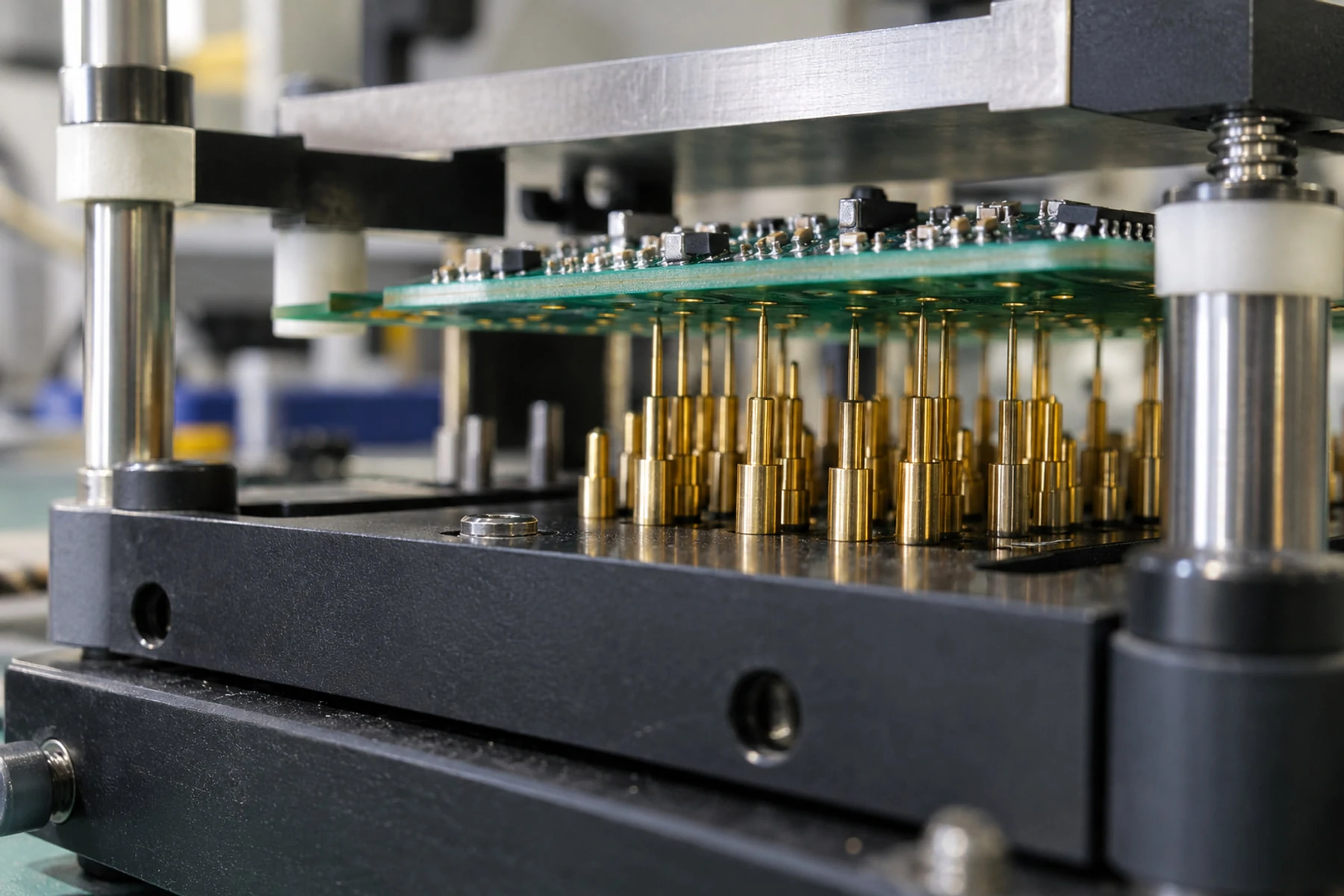 PCBA Functional Test Requirements: What Buyers and Assembly Suppliers Must Define Before Quotation
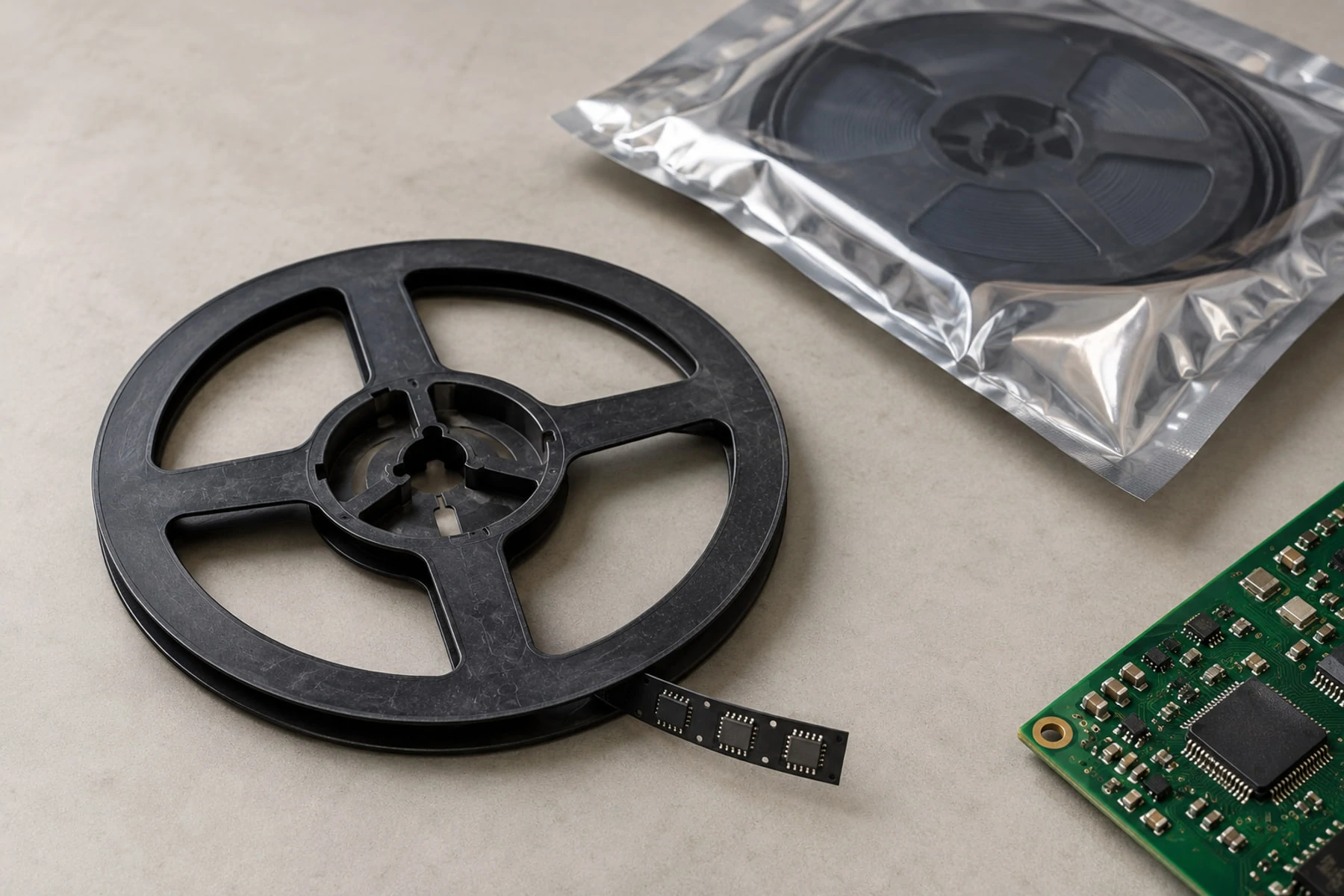 Electronic Component Obsolescence Management for PCBA Projects: From EOL Risk to Approved Change