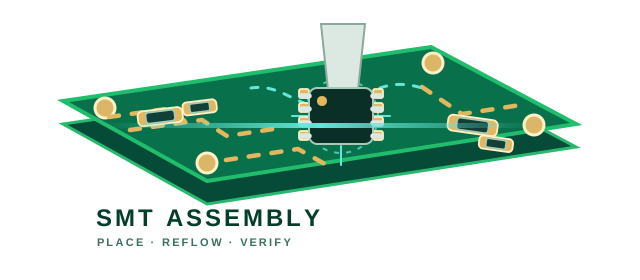
SMT Assembly
- Typical Component Fit
- Compact passive devices, fine-pitch ICs, BGA, QFN, SOP, QFP and other surface-mount packages
- Manufacturing Focus
- Efficient placement density, controlled solder-paste printing and repeatable reflow processing
A reliable assembly is not created at the end of the line. It begins when the PCB data, BOM, component package, process route and test expectations are made consistent. SUNHOPE provides PCB assembly services for SMT, through-hole and mixed-technology products, with full turnkey, partial turnkey and consigned material models. From prototype builds to repeat production, we align the released data, material decisions, line setup and verification plan before the assembly is released.
Production ScopePrototype BuildsLow-Volume RunsRepeat Production
Choose by Component Mix Not by Habit
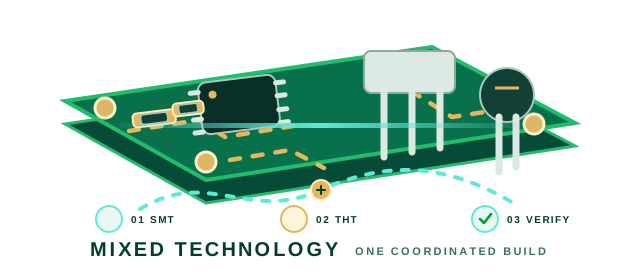
The right route follows the actual component set and the work the assembly must perform. Board layout, package density, mechanical load, thermal exposure, inspection access and repair strategy all influence the decision. Many practical products combine SMT and through-hole processes on the same assembly.
Get A Quote 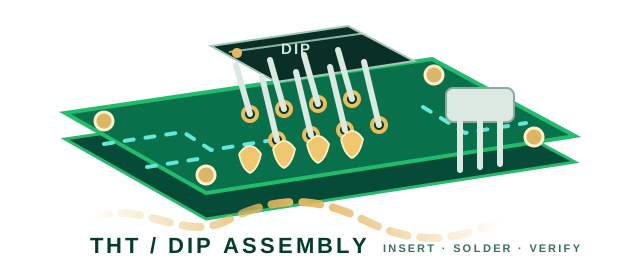
Final feasibility depends on the complete PCB construction, component package and availability, paste and soldering requirements, clearances, thermal sensitivity, test access and acceptance criteria.
The commercial model should state who purchases, supplies and approves every material group. SUNHOPE supports three service models so purchasing responsibility can match the customer's supply strategy. Manufacturer part numbers, approved sources, alternatives and traceability expectations are aligned before release; substitutions are not introduced without the required customer approval.
Explore Component SourcingSUNHOPE coordinates component sourcing, PCB manufacturing and assembly within the approved scope.
Teams seeking one coordinated supply and manufacturing route
Responsibility is divided by the agreed material list; SUNHOPE sources selected items and the customer supplies the remainder
Programs with strategic, allocated or customer-controlled components
The customer supplies the defined component kit and SUNHOPE performs the agreed PCB and assembly work
Teams that retain purchasing control or already hold the materials
The values below provide an initial project-fit check. They describe SUNHOPE’s current published baseline and do not replace review of the complete PCB, BOM, assembly data and test requirements. Features near a limit, or several demanding features combined in one build, are reviewed before quotation and production release.
View PCBA Technical Capabilities| Capability | Published Baseline | Condition |
|---|---|---|
| Assembly Types | SMT THT/DIP Mixed Technology | Single- or double-sided routes are selected by the approved build |
| SMT PCB Size | 50 × 50 mm to 510 × 460 mm | Panel format, edge clearance and tooling are reviewed with the assembly data |
| Board Thickness | 0.5–3.0 mm | Applies to the current published PCBA baseline |
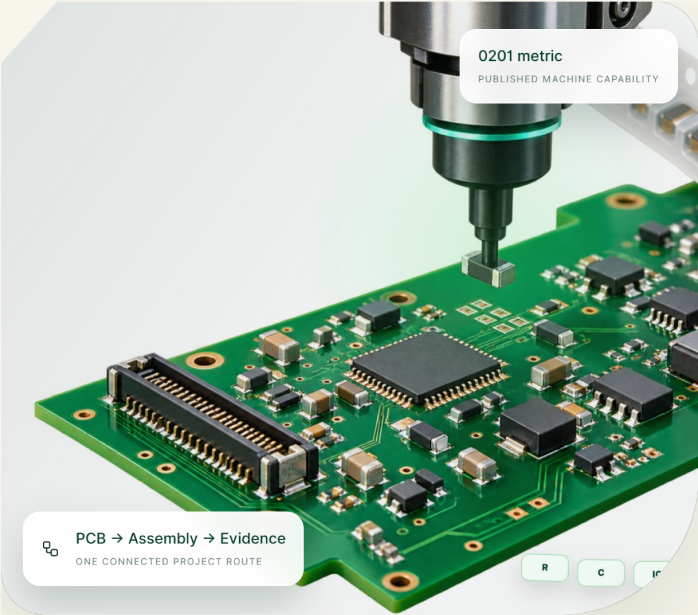
| Minimum Component | 0201 metric / 008004 imperial | Machine capability; mass-production application is subject to DFM review |
| Fine-Pitch Packages | BGA/SOP/QFP/QFN pitch ≥0.3 mm | Micro-BGA and CSP require project review |
| Placement Performance | Accuracy ±0.035 mm; Cpk ≥1.0 | Under defined production conditions |
| THT Soldering | Wave selective wave hand soldering | Maximum published wave width 350 mm |
| Reflow Platform | 9 heating zones + 3 cooling zones | Double-sided lead-free profile supported |
| Acceptance Baseline | IPC-A-610 Class 2 by default | Class 3 applies only by project agreement |
Align the Digital Product Before the Physical Build
PCB assembly begins with a digital product definition: the board revision, BOM, placement data, drawings, polarity, approved alternatives and test instructions. SUNHOPE reviews the applicable package before line release so the factory is not forced to resolve design intent through guesswork.
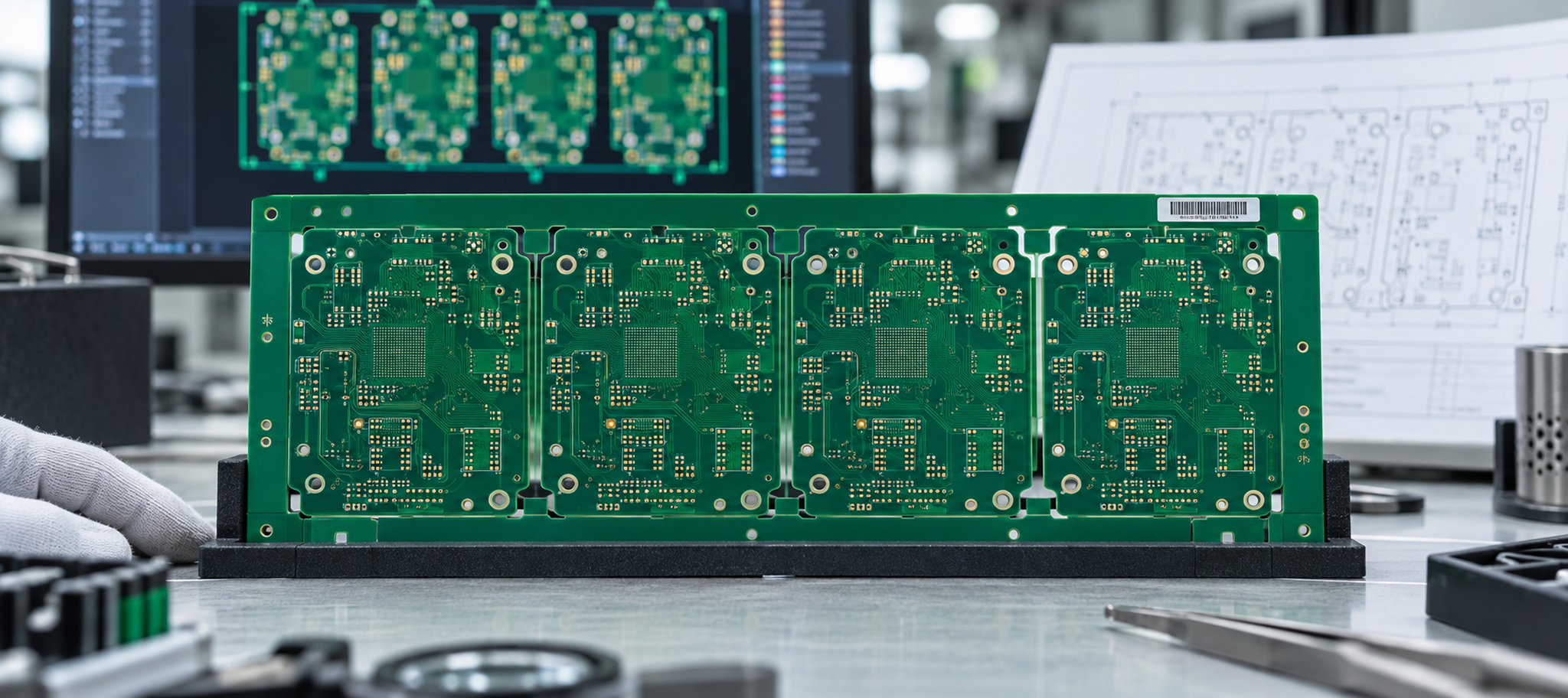
Gerber data, board drawing and the released PCB revision agree with the assembly order
Why It MattersPrevents an assembly from being built on the wrong bare-board definition
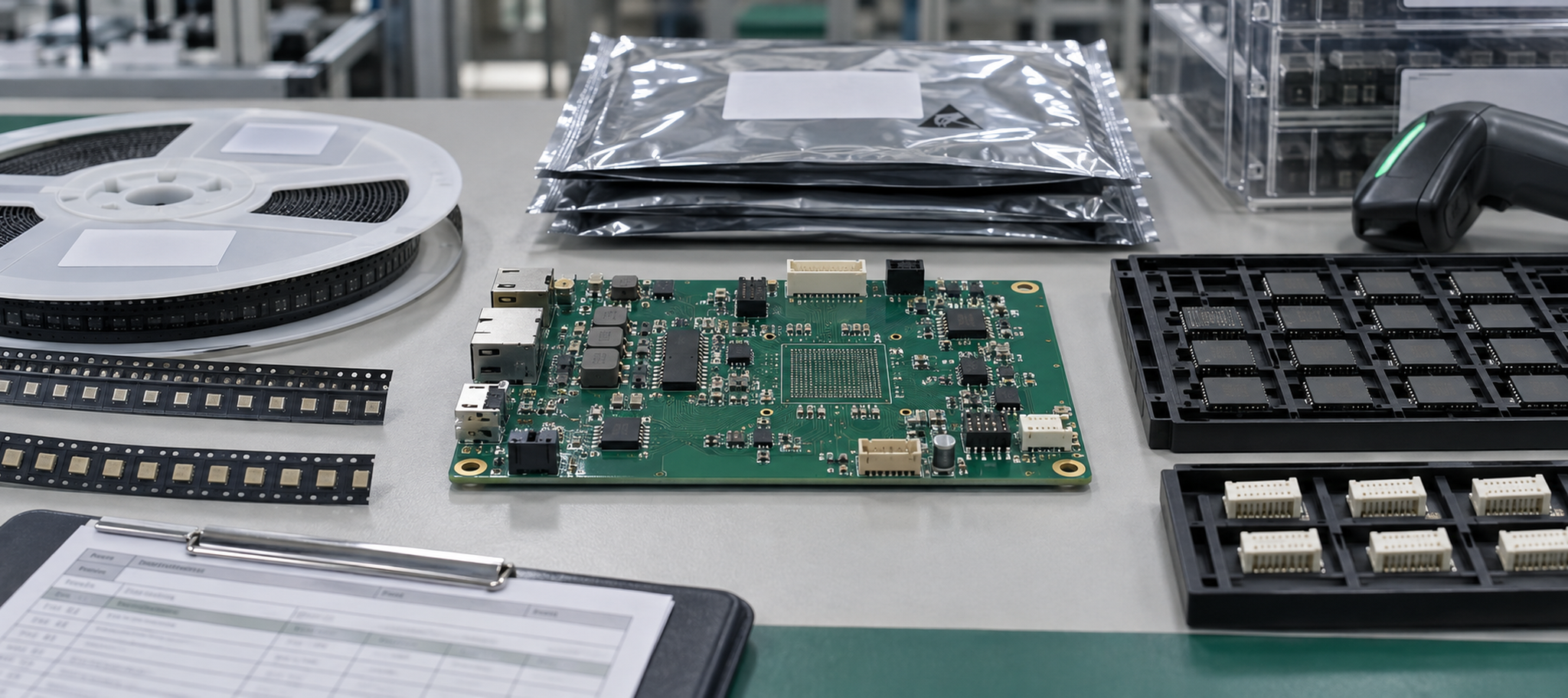
Manufacturer part numbers, quantities, do-not-substitute items and approved alternatives are identifiable
Why It MattersMakes purchasing and substitution decisions visible
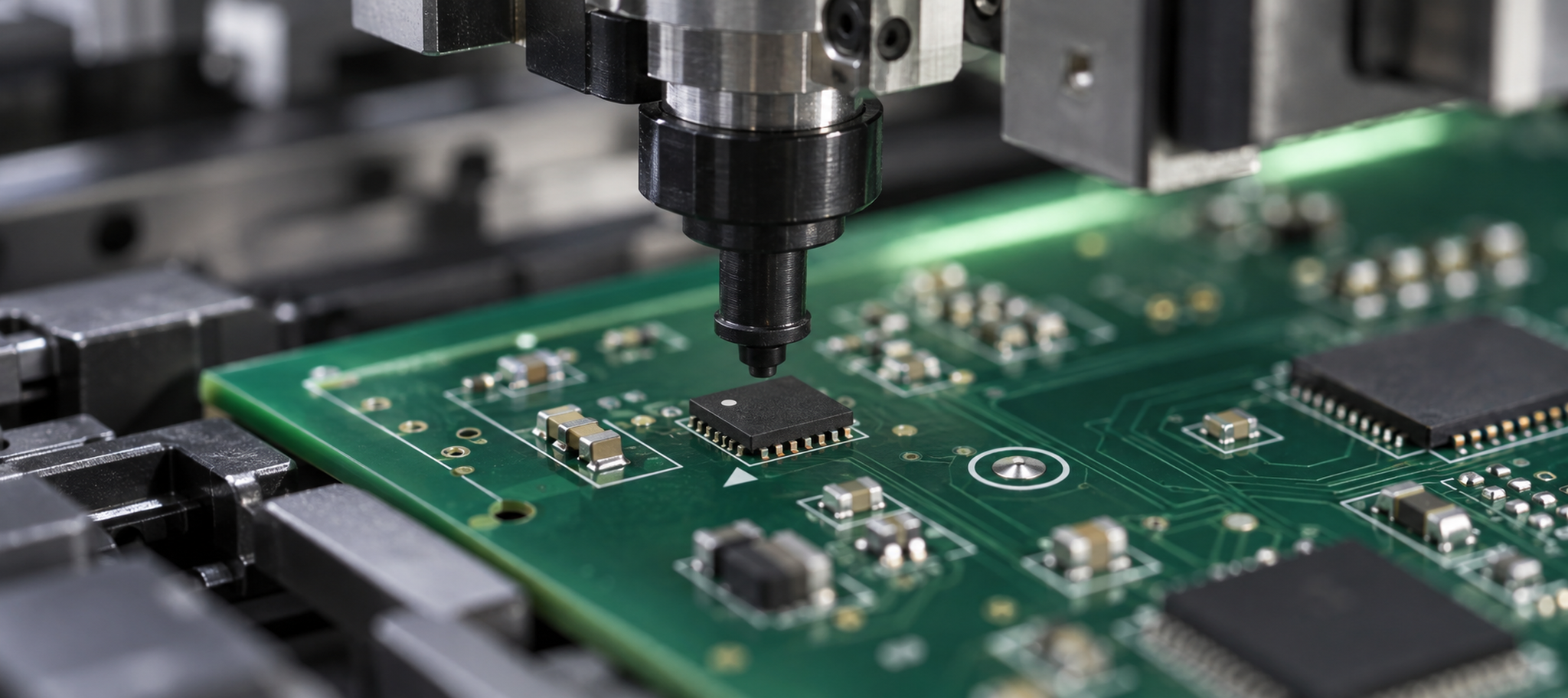
CPL or pick-and-place data, reference designators, polarity and special orientation notes are consistent
Why It MattersSupports programming, setup and first-article verification
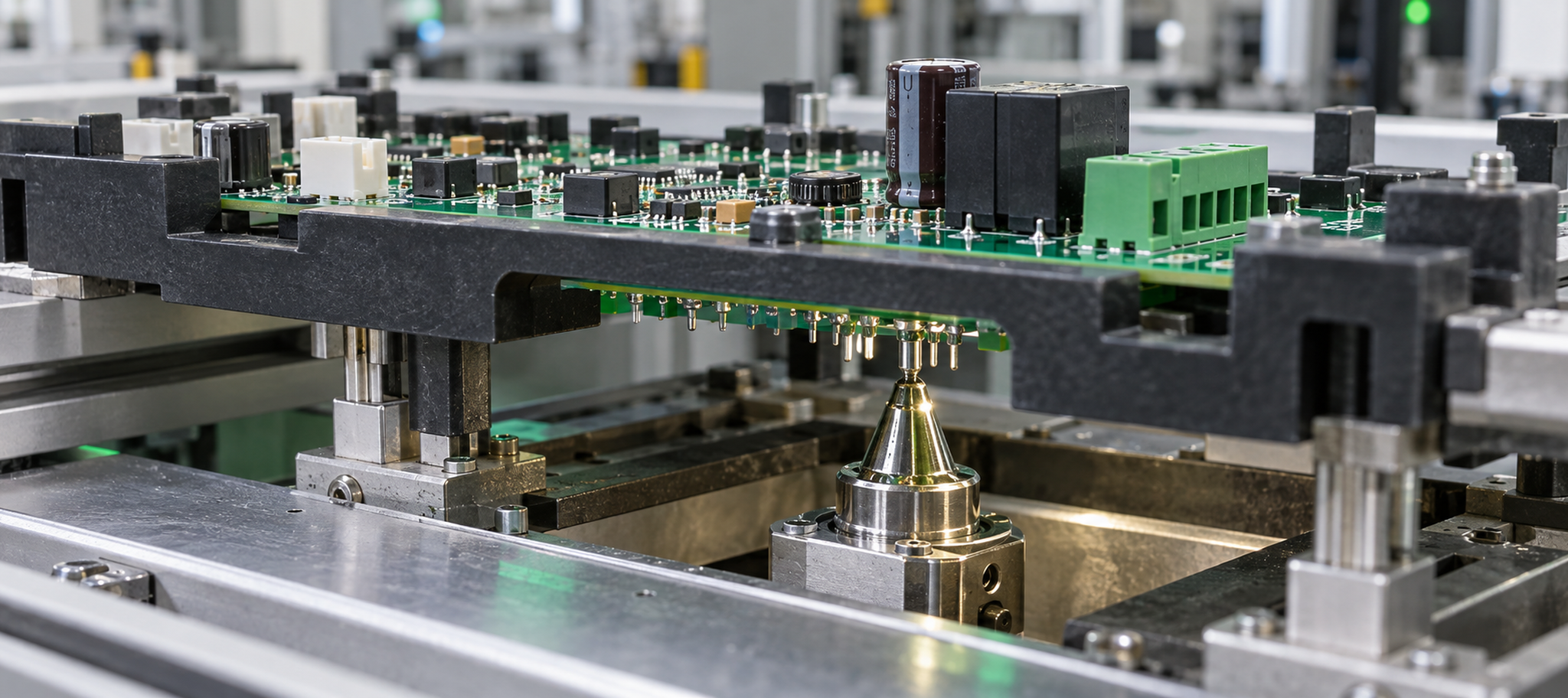
SMT sides, THT parts, selective or hand-soldering needs, fixtures and keep-out areas are understood
Why It MattersAllows the route and tooling to be planned before the line starts
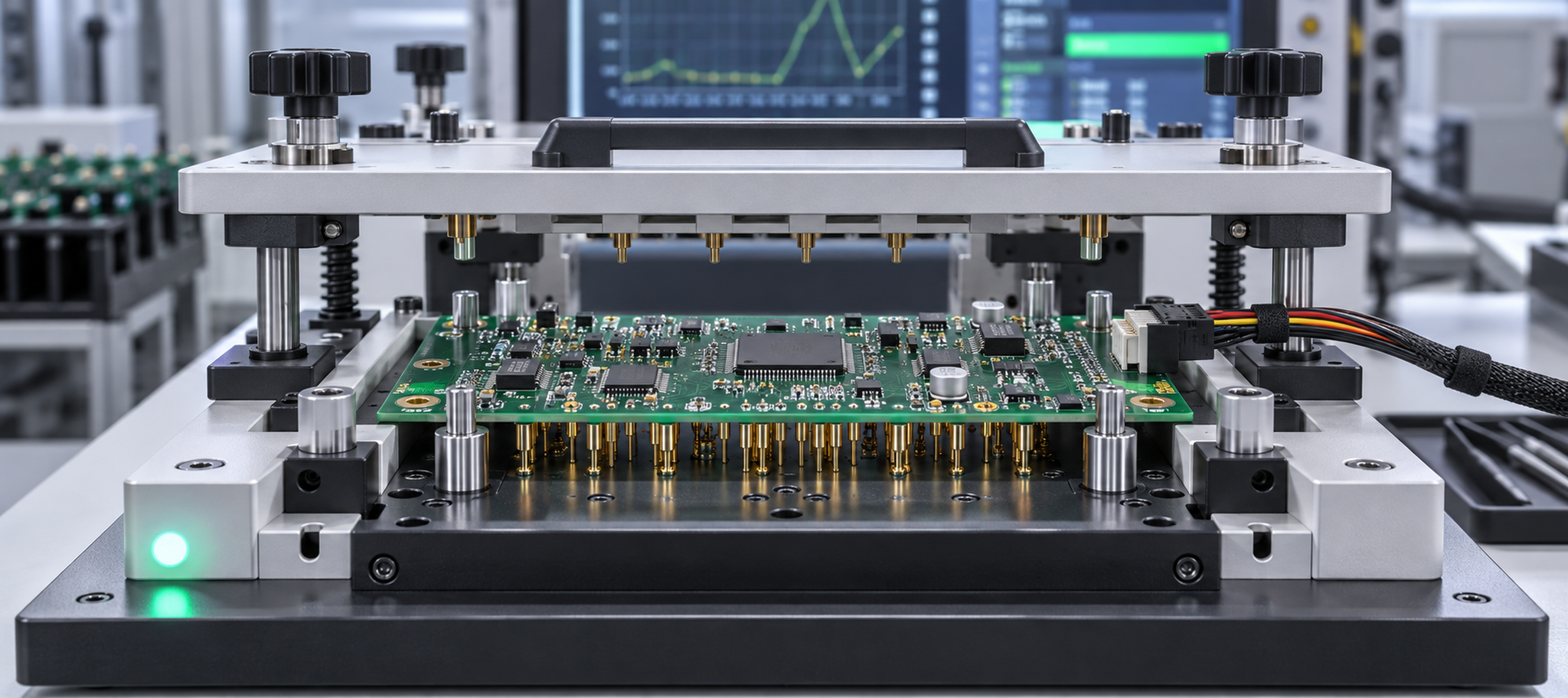
Fixtures, firmware, programming files, test procedure, limits and responsibility are available or clearly identified as open
Why It MattersPrevents testing from becoming an undefined final step
Equipment performs operations; the manufacturing route connects decisions. SUNHOPE carries the confirmed revision and project requirements through material preparation, line setup, assembly, verification and release. The exact steps change with SMT, THT or mixed technology, but the control logic remains connected.
Confirm the released package, component-to-footprint consistency, polarity, assembly route, tooling and test readiness. Return unresolved questions before release.

Prepare sourced or consigned components, verify the applicable PCB, control moisture-sensitive material, and ready stencils, pallets, programs and fixtures for the approved build.
Load the confirmed programs and process settings, verify the first article against the released assembly data, and approve the line condition before continued production.

Apply solder paste and inspect it where applicable, place and reflow SMT components, then complete the defined through-hole insertion and wave, selective or hand-soldering route.
Use the agreed inspection and test plan, resolve exceptions within the defined authority, confirm identity and batch linkage, then clean where applicable and package the finished assemblies.
Inspection is strongest when the question is clear: Was the paste deposited as planned? Are visible components present and oriented correctly? Are hidden joints acceptable? Does the finished assembly perform the agreed function? SUNHOPE combines process inspection and product testing according to the approved plan rather than treating one machine as a universal answer.
Explore Quality Assurance and Packaging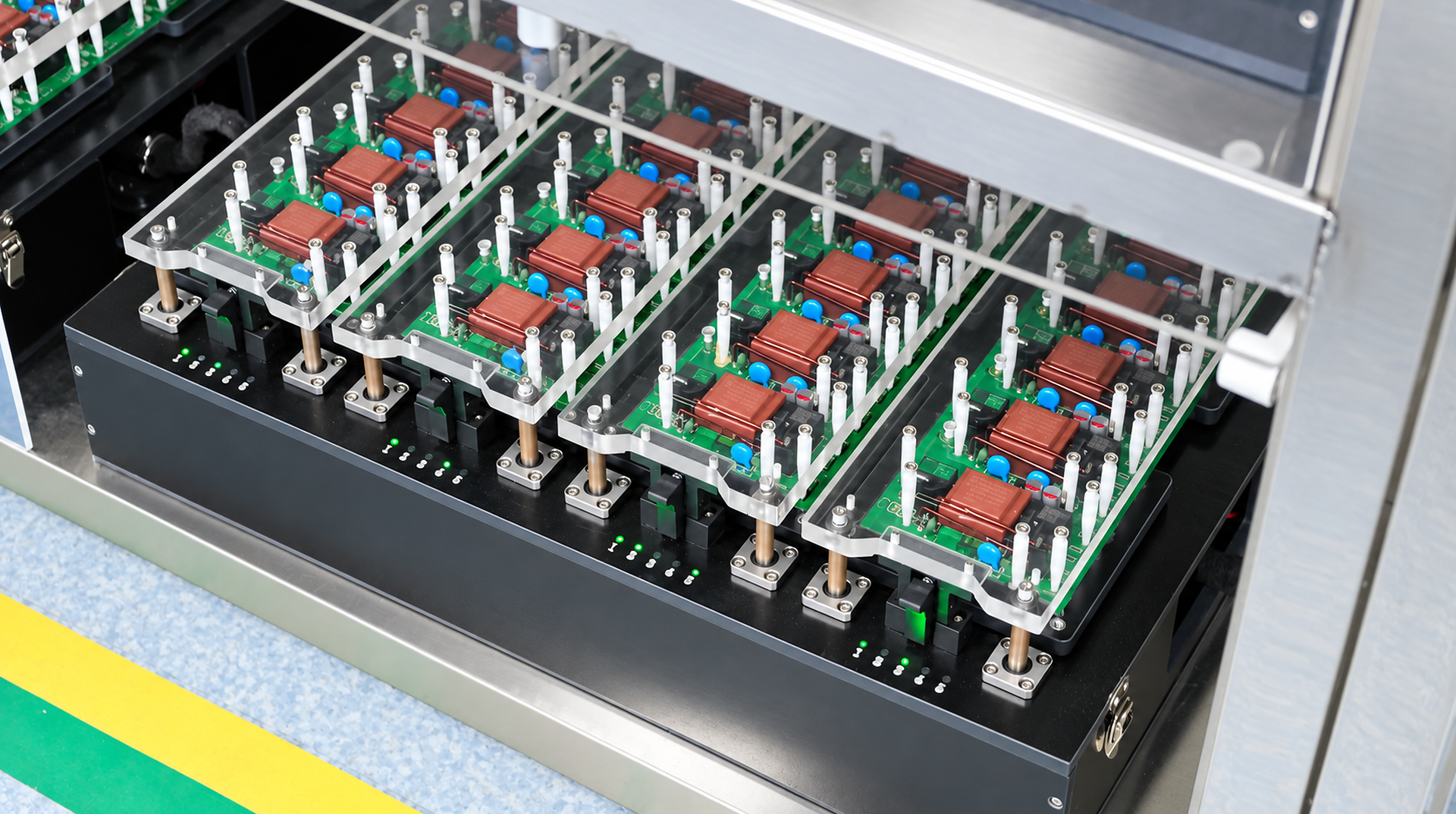
SUNHOPE's advantage is not a longer list of isolated operations. It is the ability to keep the product definition connected as the project moves from bare board and material decisions into assembly and verification.
SUNHOPE's 1–8 layer rigid PCB manufacturing can continue into SMT, THT or mixed assembly within one coordinated project route, reducing avoidable handoff gaps.
Surface-mount, through-hole and mixed-technology products are planned around the actual component set instead of forcing every design into one process.
Full turnkey, partial turnkey and consigned models make purchasing responsibility visible, while alternatives follow the required approval path.
First-article findings, approved process settings and controlled revisions can support the transition from quick-turn prototypes and trial builds into repeat production.
SPI, AOI, X-ray, first-article inspection and functional or in-circuit testing are selected to answer the questions defined for the project.
Build Around the Product's Real Operating Context
The same component can create different assembly concerns in different products. Density, power, vibration, thermal load, cleaning, coating, programming, traceability and service-life expectations should be tied to the actual application instead of inferred from an industry label alone.
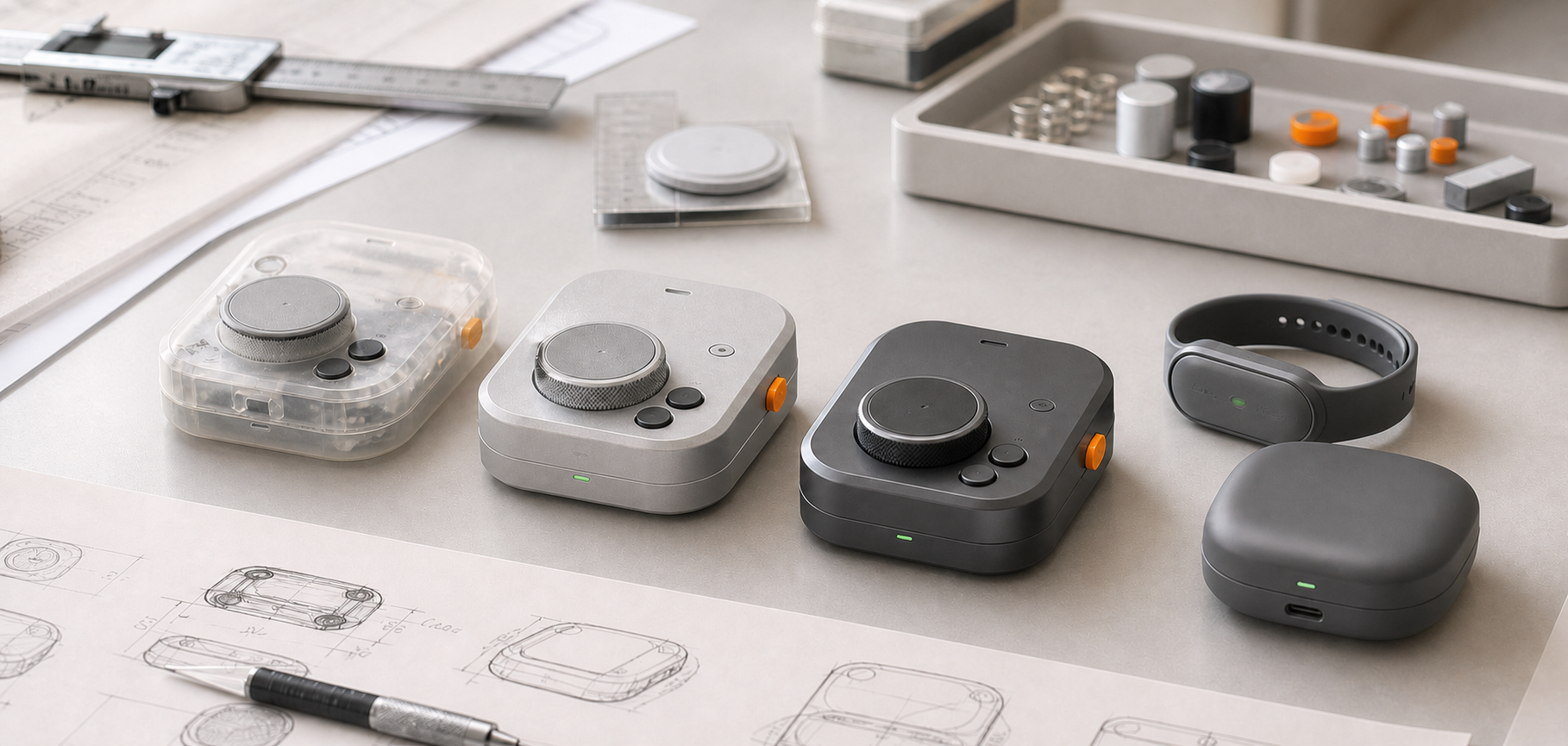
Compact layouts, revision speed, cosmetic handling and cost-sensitive scaling
View More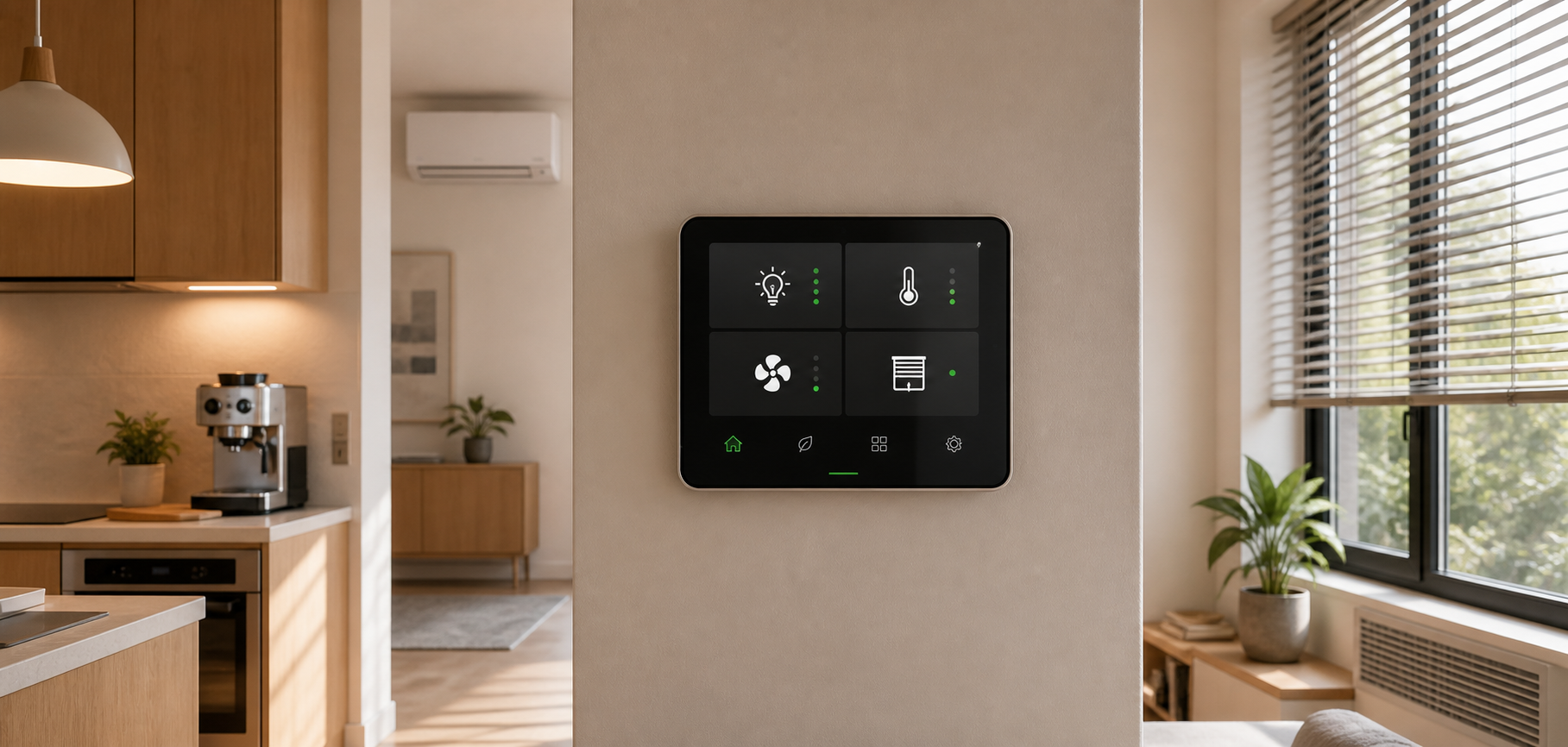
Power and control interfaces, connectors, thermal exposure and repeat-build continuity
View More
Change control, traceability, mechanical and thermal conditions, and program-specific evidence
View More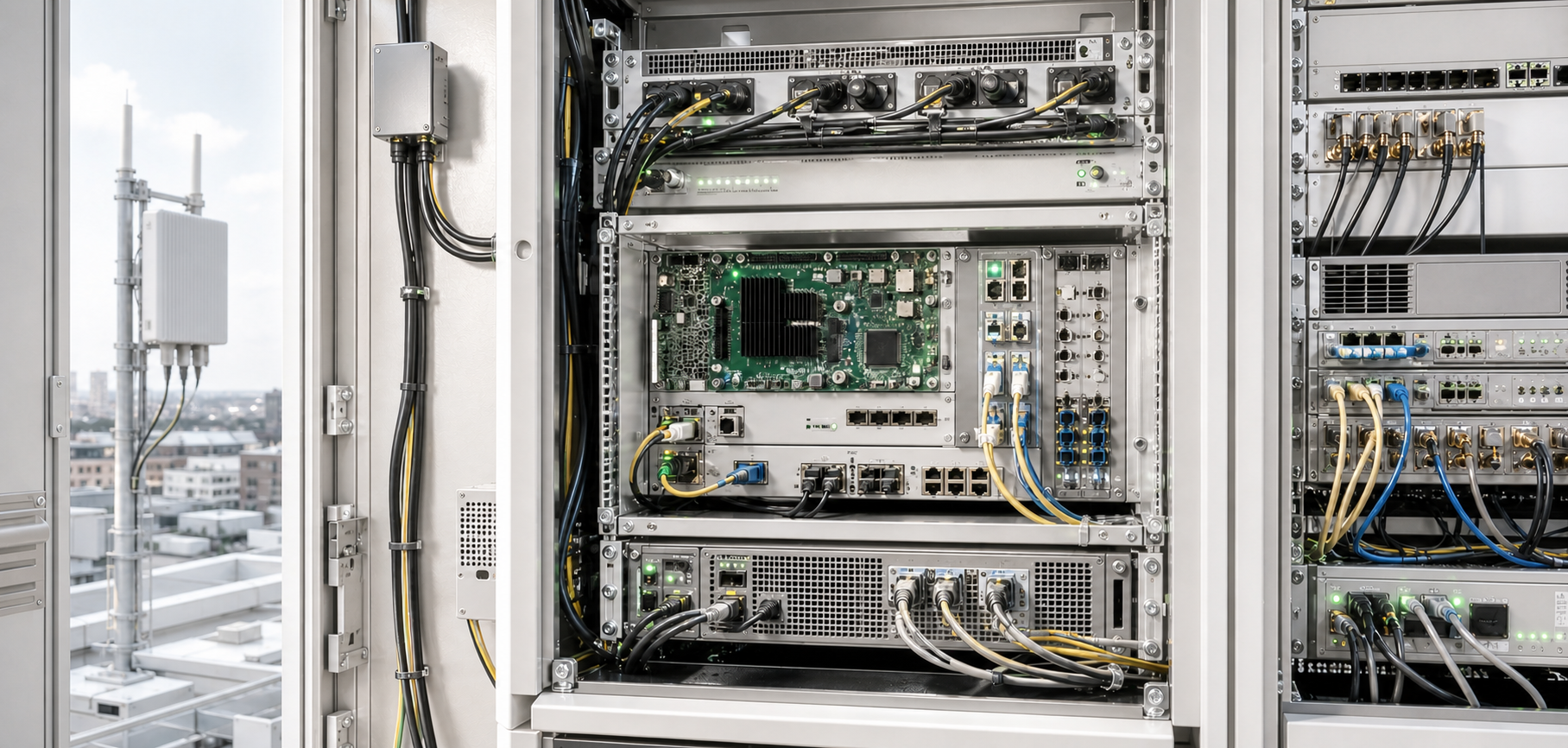
Fine-pitch packages, RF-sensitive handling, thermal paths and controlled production repeatability
View More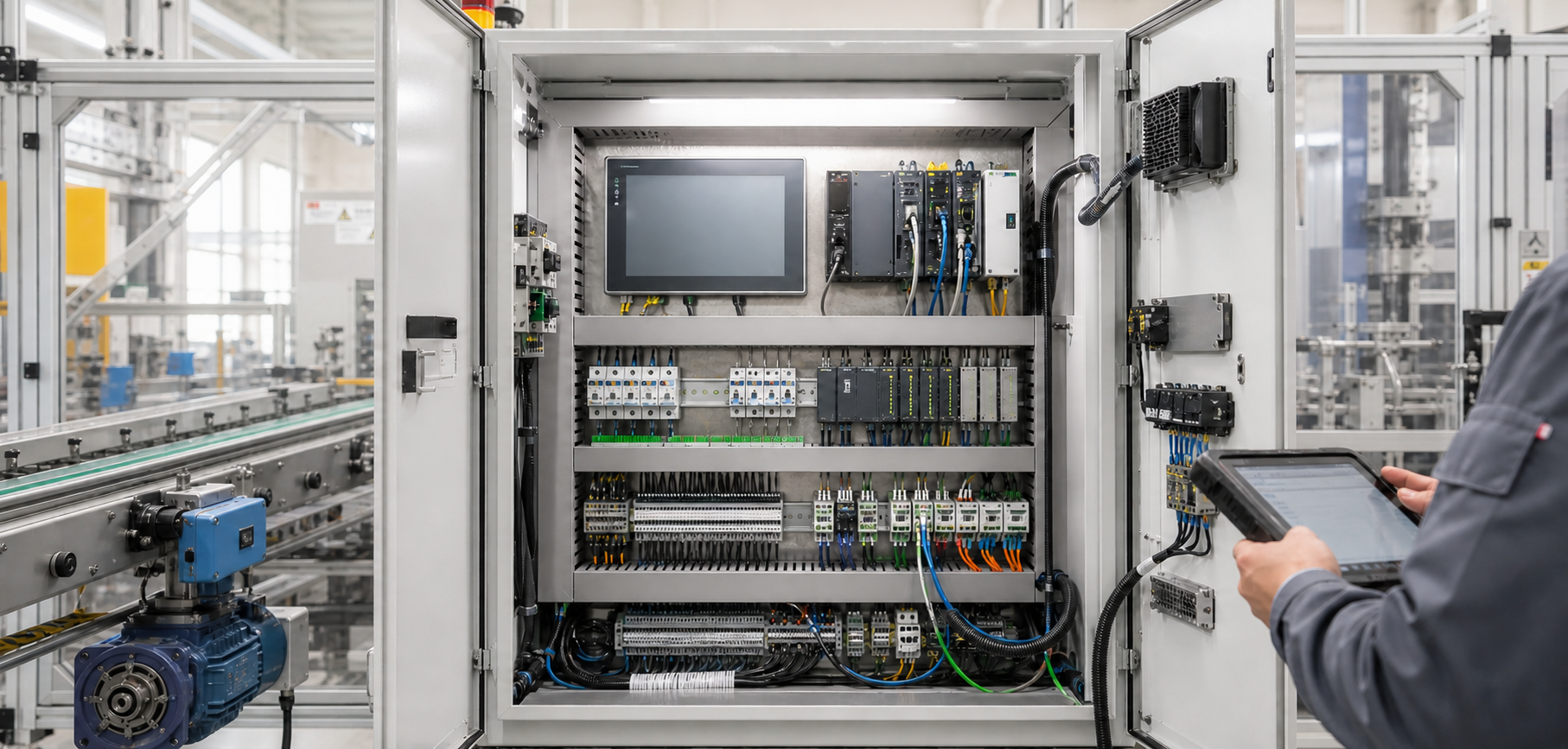
Mixed technology, field interfaces, long product life and maintainable revision control
View More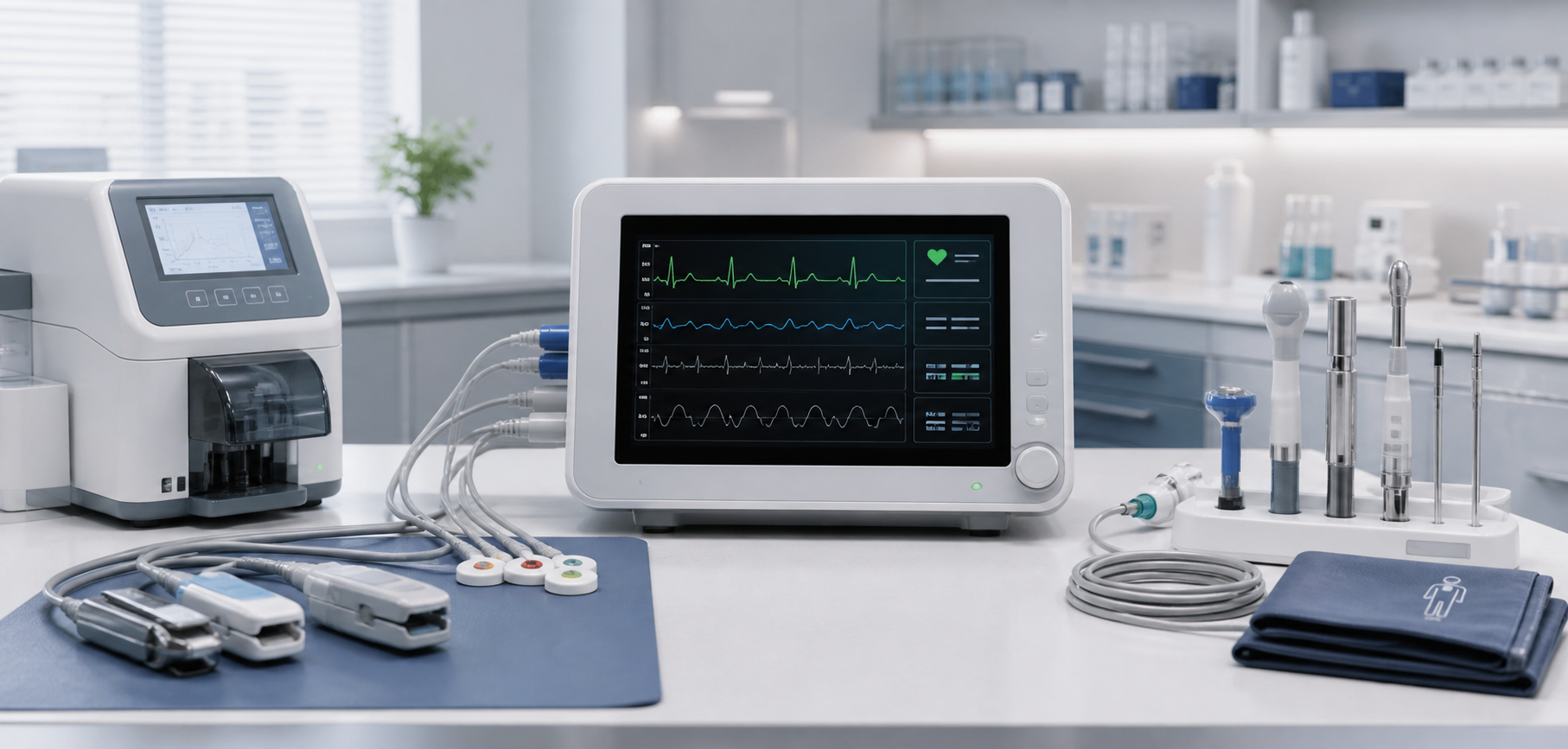
Defined acceptance, traceability, controlled changes and clear responsibility boundaries
View MoreValue-Added Scope Available by Project
Each added operation is reviewed within the
agreed project scope
Prepare a Useful PCBA Request
Send the information available today, identify what is still open and state what must not change. A complete package shortens clarification, but an early engineering question is also welcome when the route, sourcing model or test responsibility has not yet been finalized.
Gerber files, fabrication drawing and the released PCB revision
BOM with manufacturer part numbers, quantities, approved alternatives and do-not-substitute items
CPL or pick-and-place data, assembly drawings, polarity and special-orientation information
Required quantity, prototype or production stage, and requested delivery schedule
Preferred service model: full turnkey, partial turnkey or consigned/kitted
SMT sides, THT parts, special lead-forming, wave-solder keep-out or pallet requirements
Firmware and programming files, approved fixtures, test procedure, limits and responsibility
Acceptance class when specified, together with inspection, report, traceability and labeling requirements
Packaging, destination and any conformal coating, box-build, cable or other value-added scope
Have more questions?
Visit our Comprehensive FAQ Center for more detailed information.
SUNHOPE supports SMT, THT/DIP and mixed-technology assembly. Projects can use full turnkey, partial turnkey or consigned/kitted material models, with additional services reviewed according to the agreed scope.
Choose according to the full component mix and product requirements. SMT is suited to compact, high-density surface-mount designs. THT is often selected for connectors, power parts and mechanically loaded components. Many products require both in a mixed route.
Yes. SUNHOPE's in-house 1–8 layer rigid PCB manufacturing can continue into SMT, THT or mixed assembly within one coordinated project route. The released PCB and assembly revisions still require explicit control.
Yes. Full turnkey can include approved component sourcing, PCB manufacturing and assembly. Partial turnkey and consigned models are also available when purchasing responsibility needs to be divided differently.
No unauthorized substitution is introduced. Manufacturer part numbers, approved alternatives and the authority to accept a change are aligned according to the project before release.
The approved plan may combine 3D SPI, AOI, X-ray, first-article inspection, functional testing and in-circuit testing. Coverage depends on the design, test access, fixtures, firmware, procedures and agreed acceptance requirements.
The published SMT machine capability reaches 0201 metric / 008004 imperial. This is not an unconditional mass-production guarantee; application in production remains subject to DFM review of the complete board, package, stencil, process and inspection plan.
Send the PCB manufacturing data, BOM with manufacturer part numbers, CPL or pick-and-place file, assembly drawings, quantity, delivery expectation and any test or programming files. Identify open decisions instead of hiding them.
Send the PCB data, BOM and assembly information available today. We will review the route, material responsibility, open engineering points and test readiness against the current capability.