//Resilient 1-8 Layer High TG PCB Fabrication Services

High TG PCB

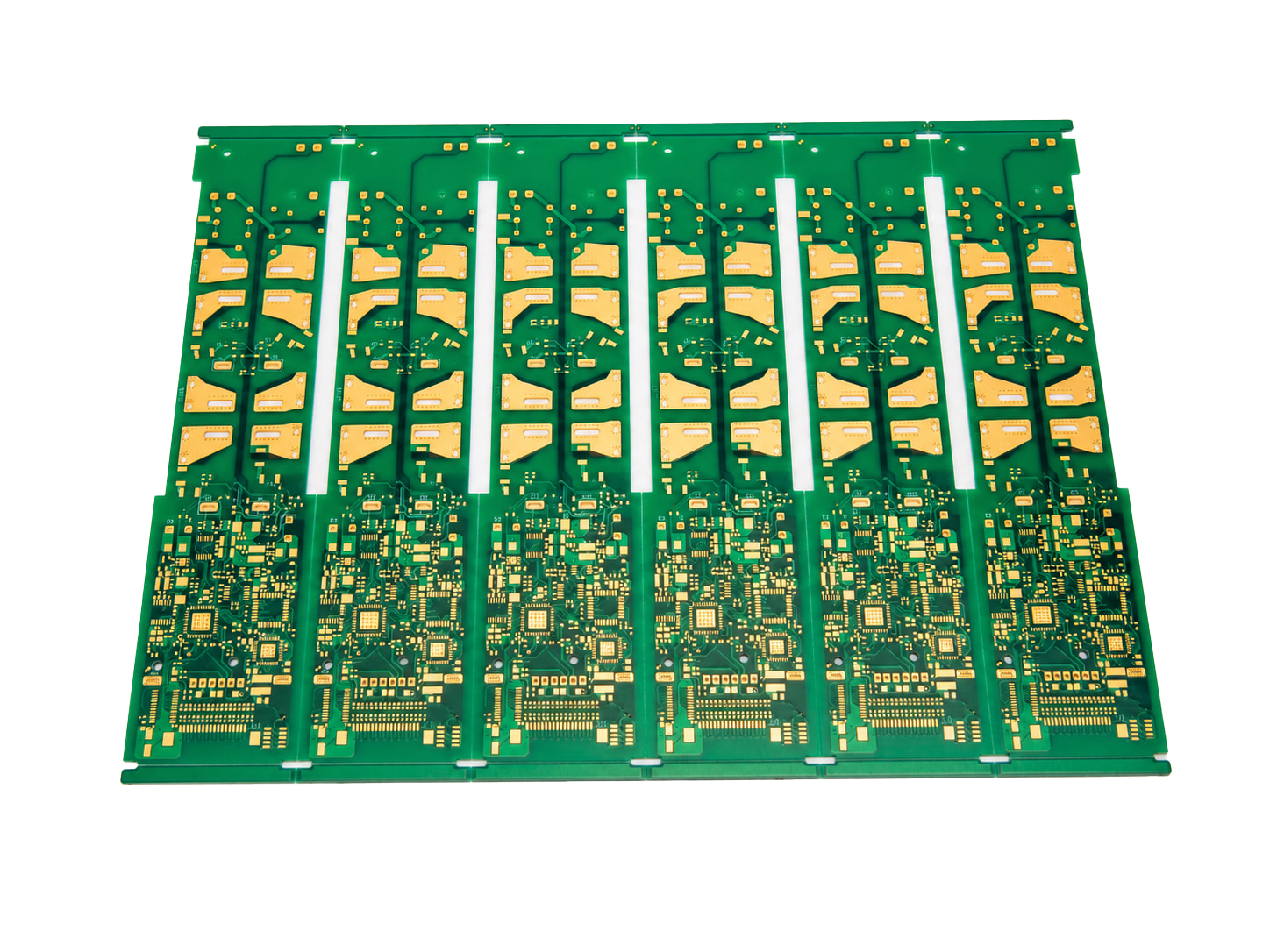
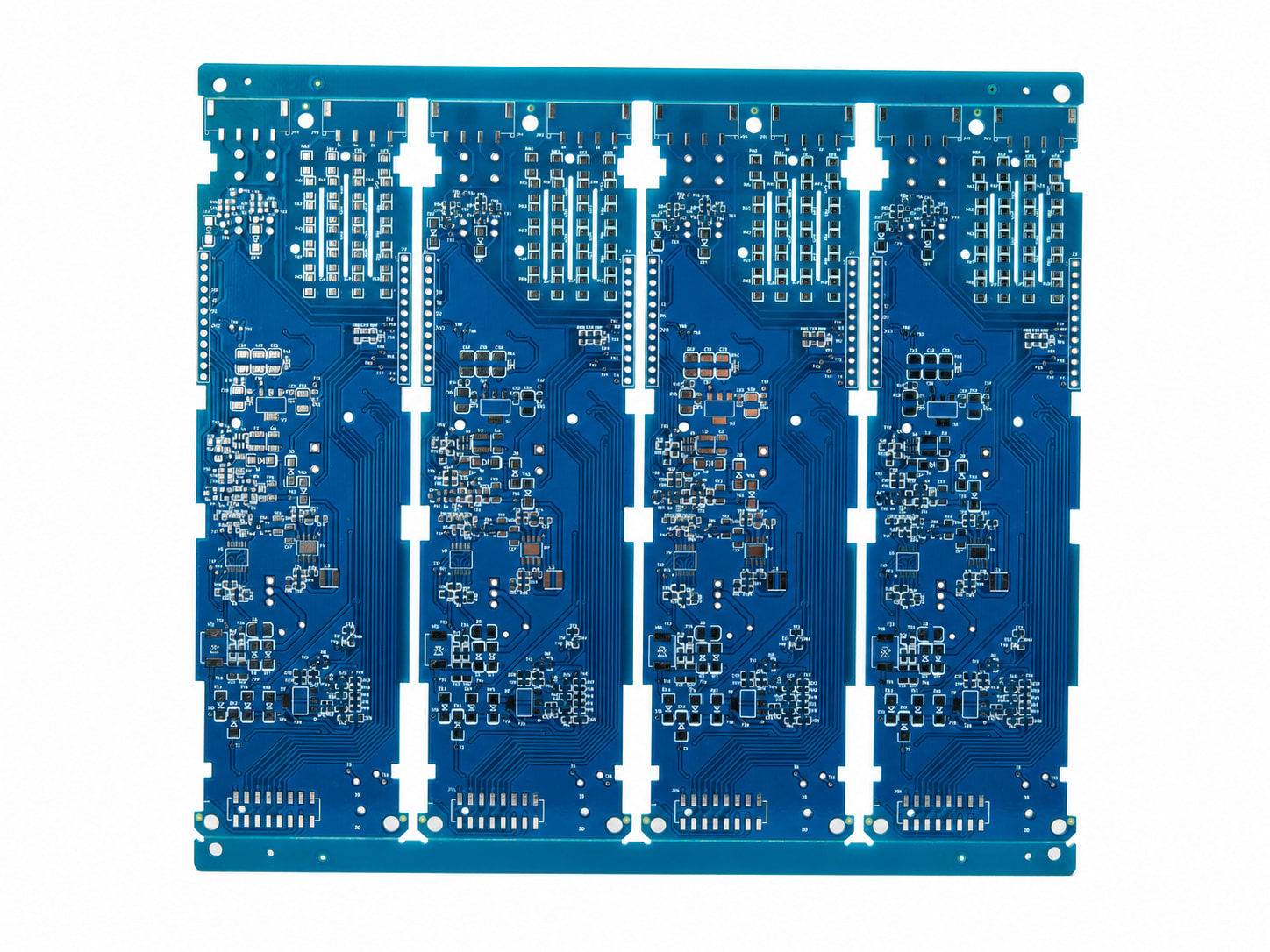
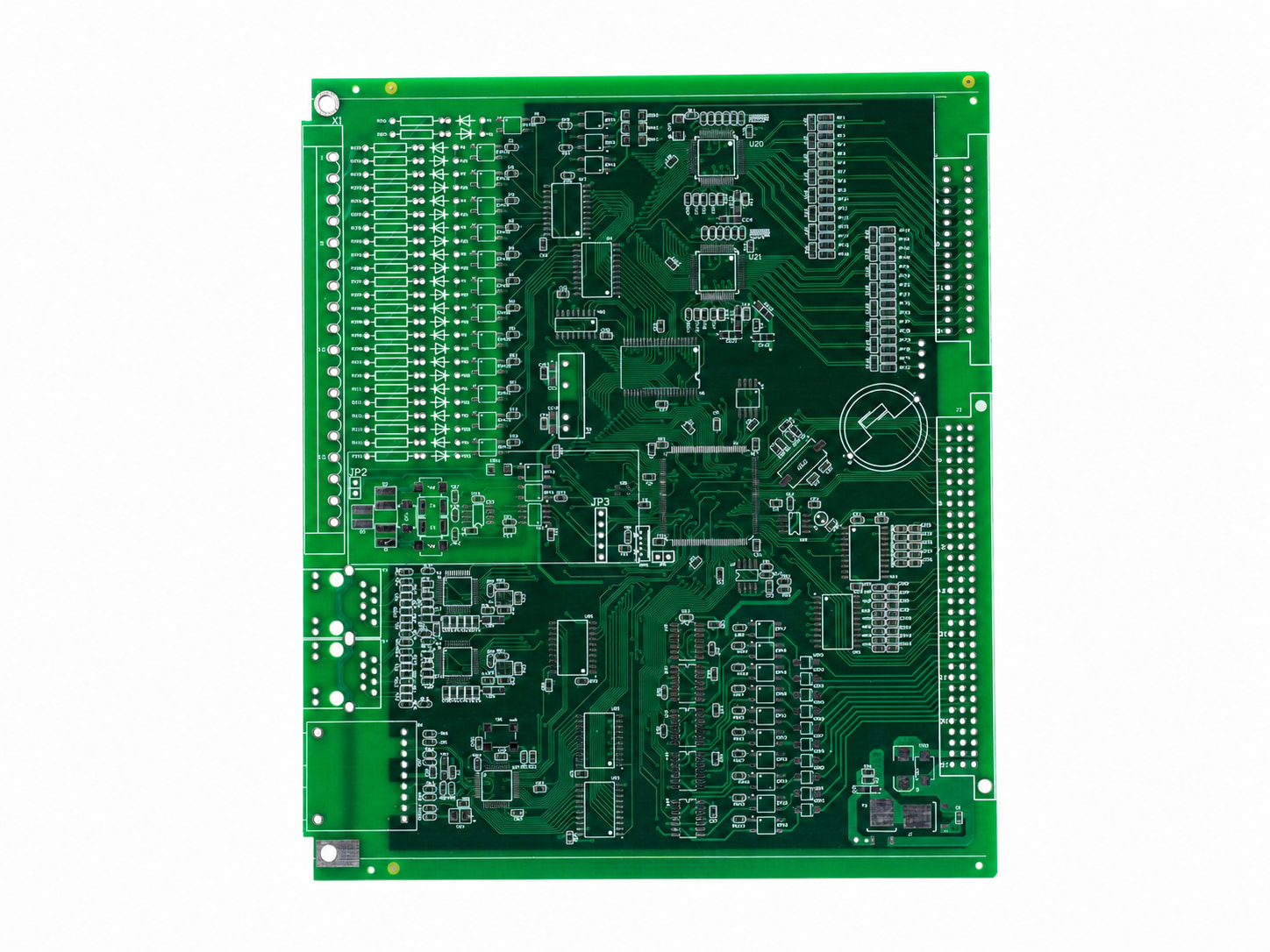
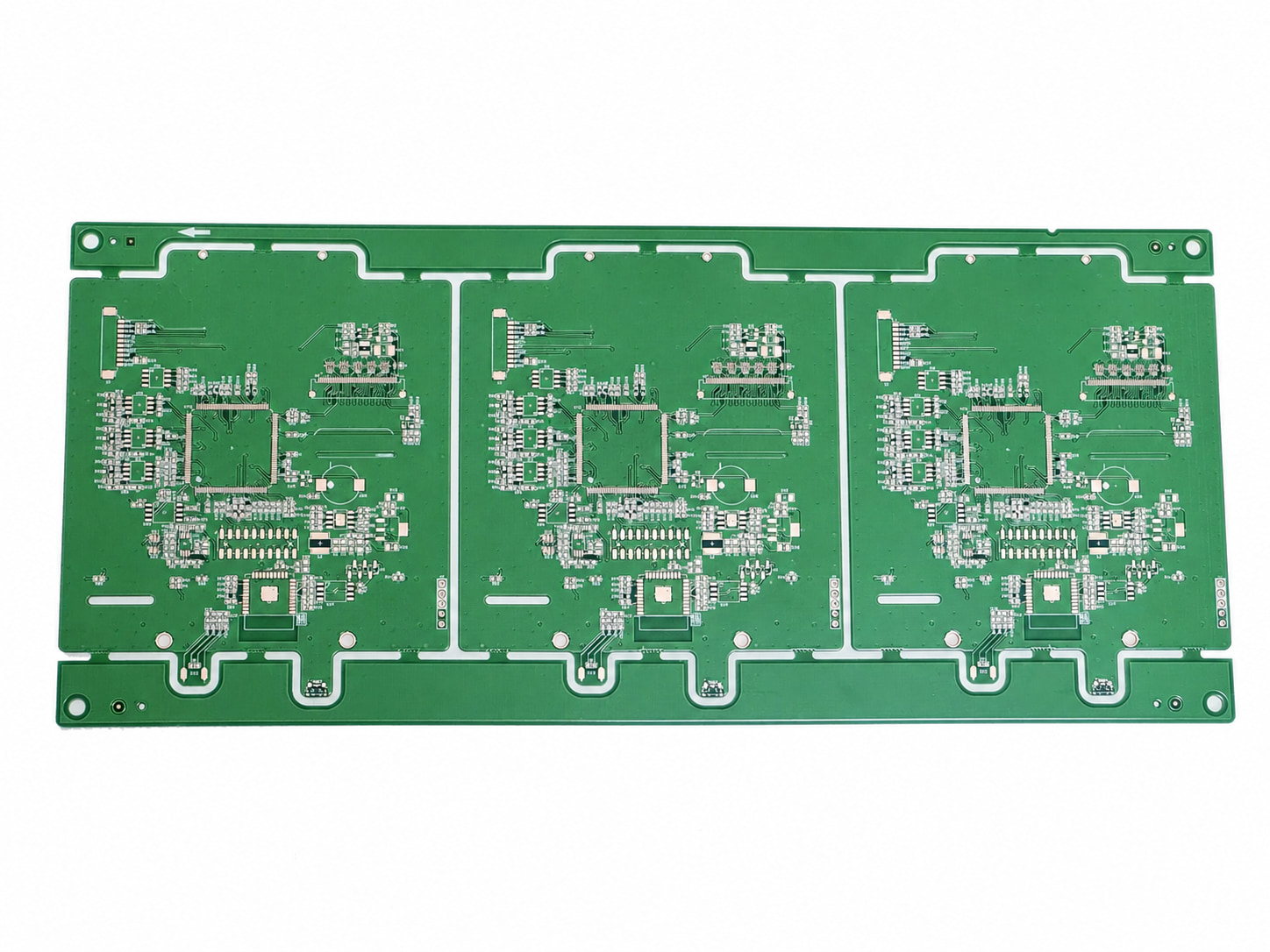
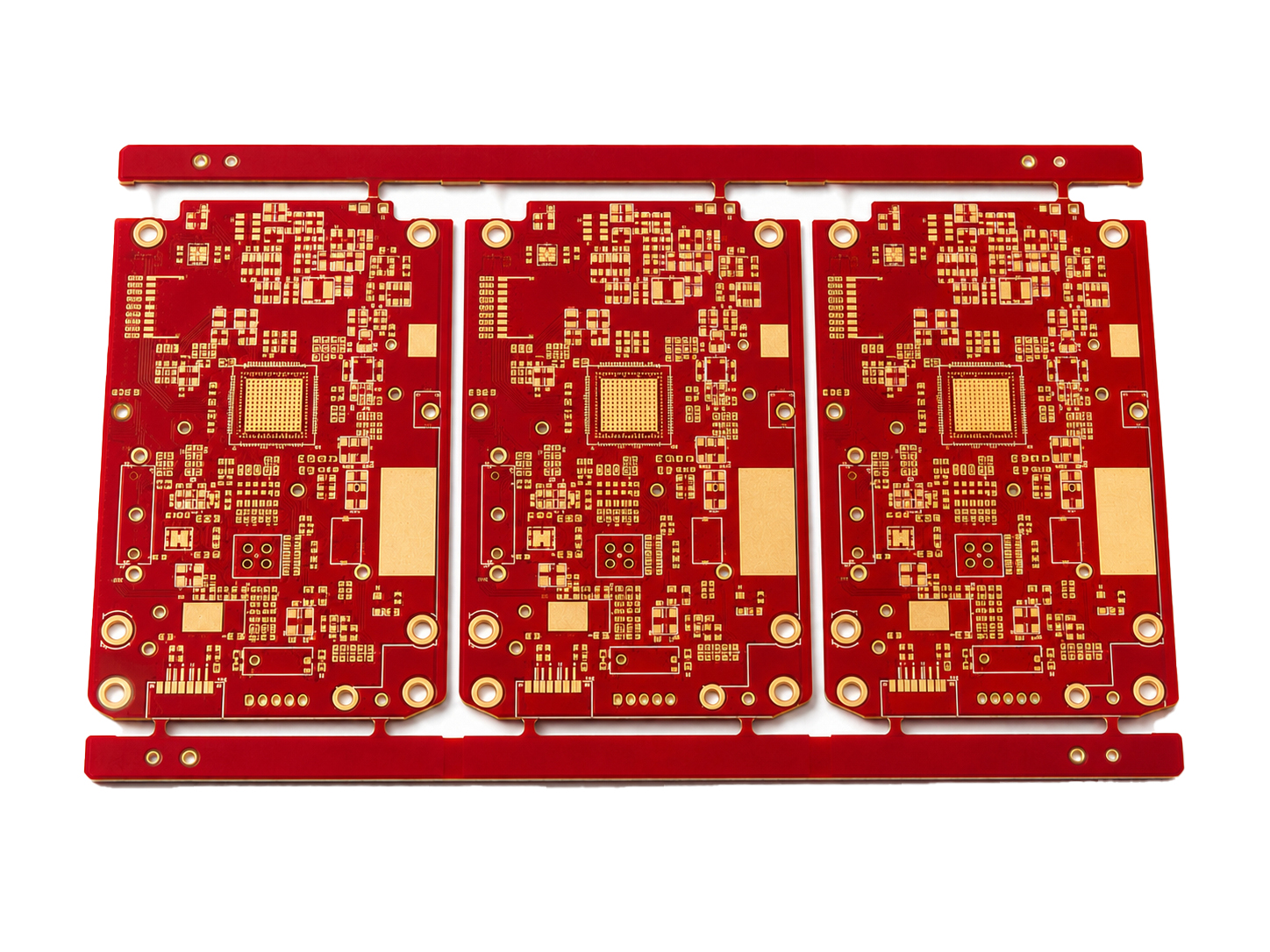
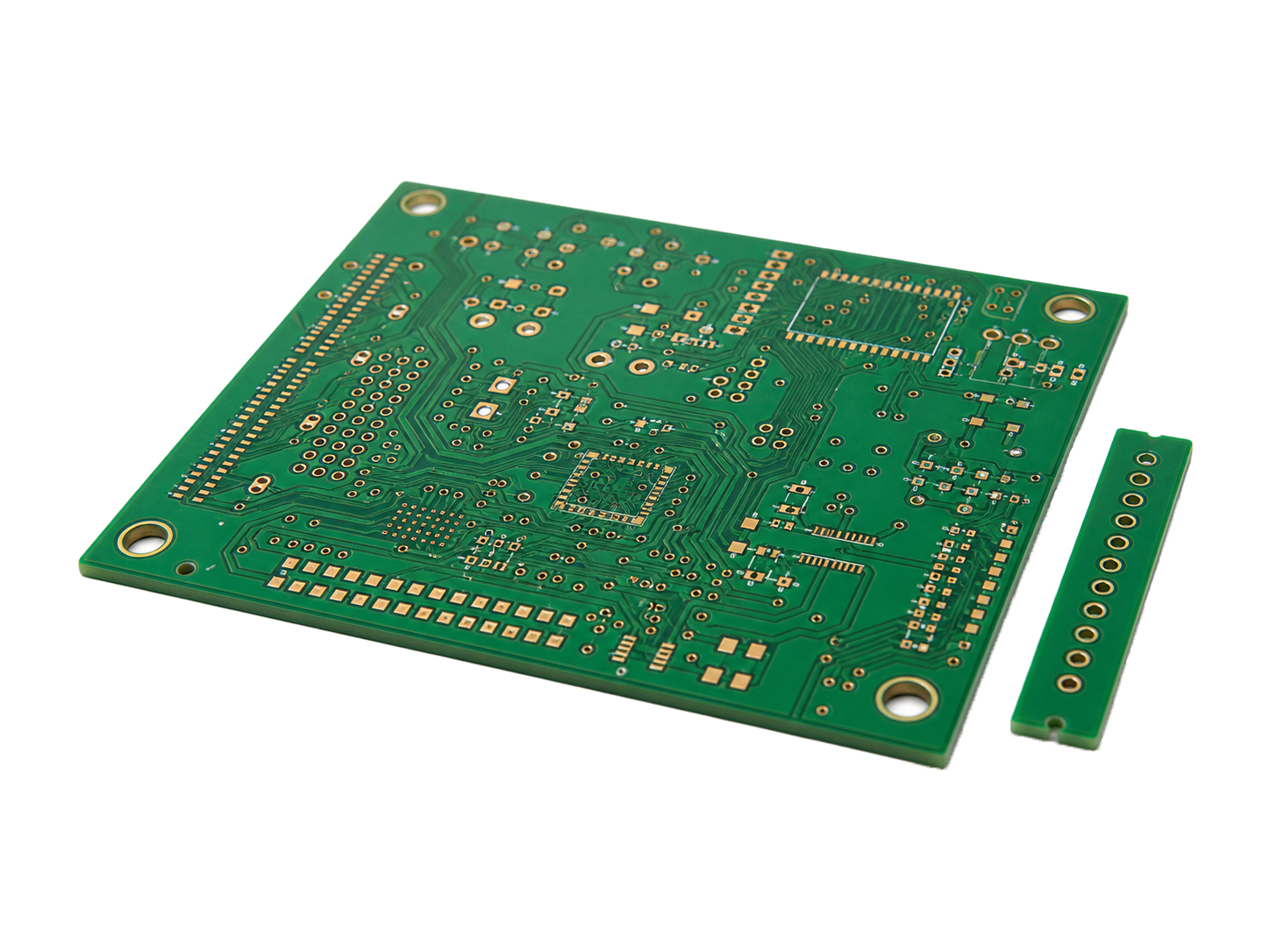
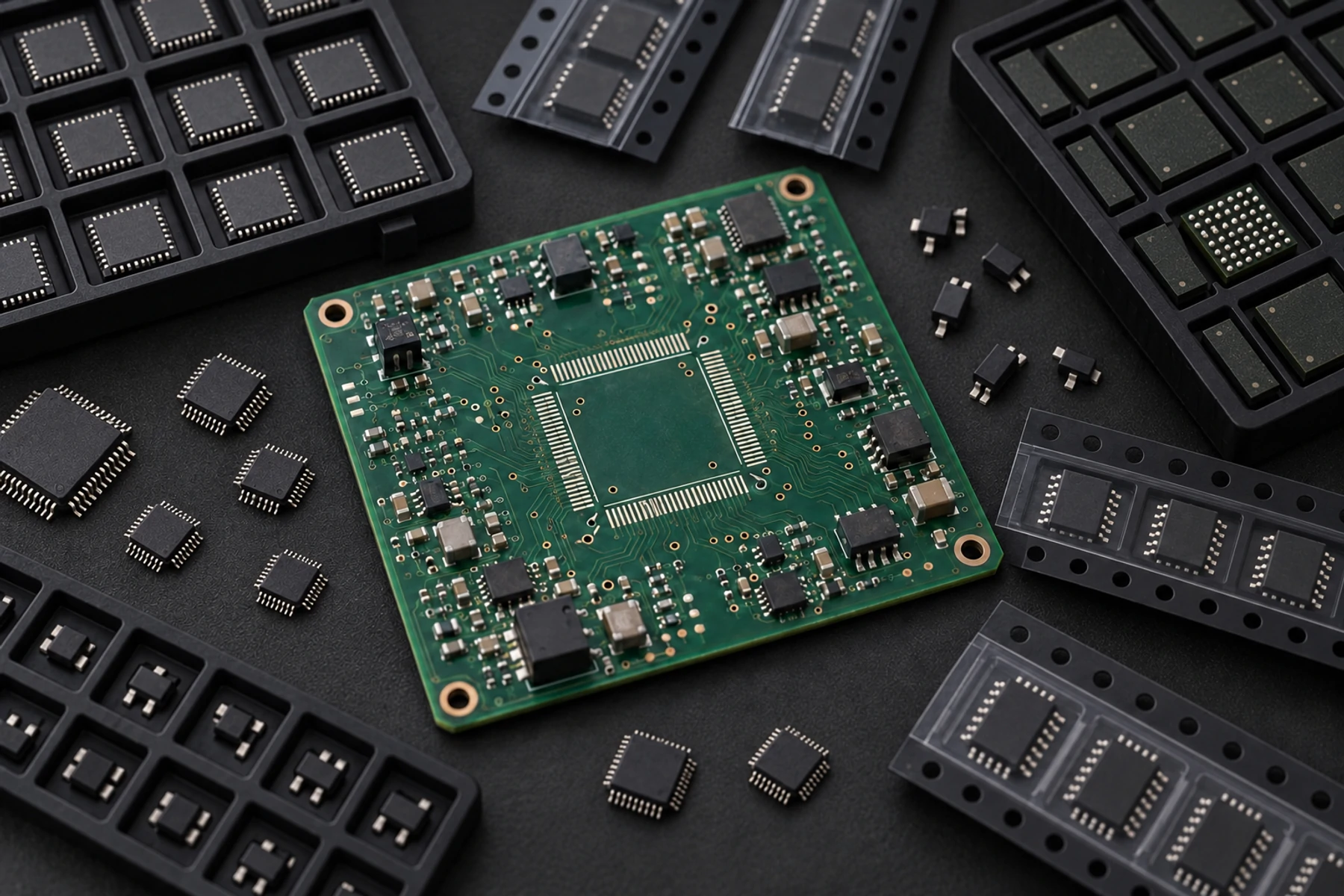
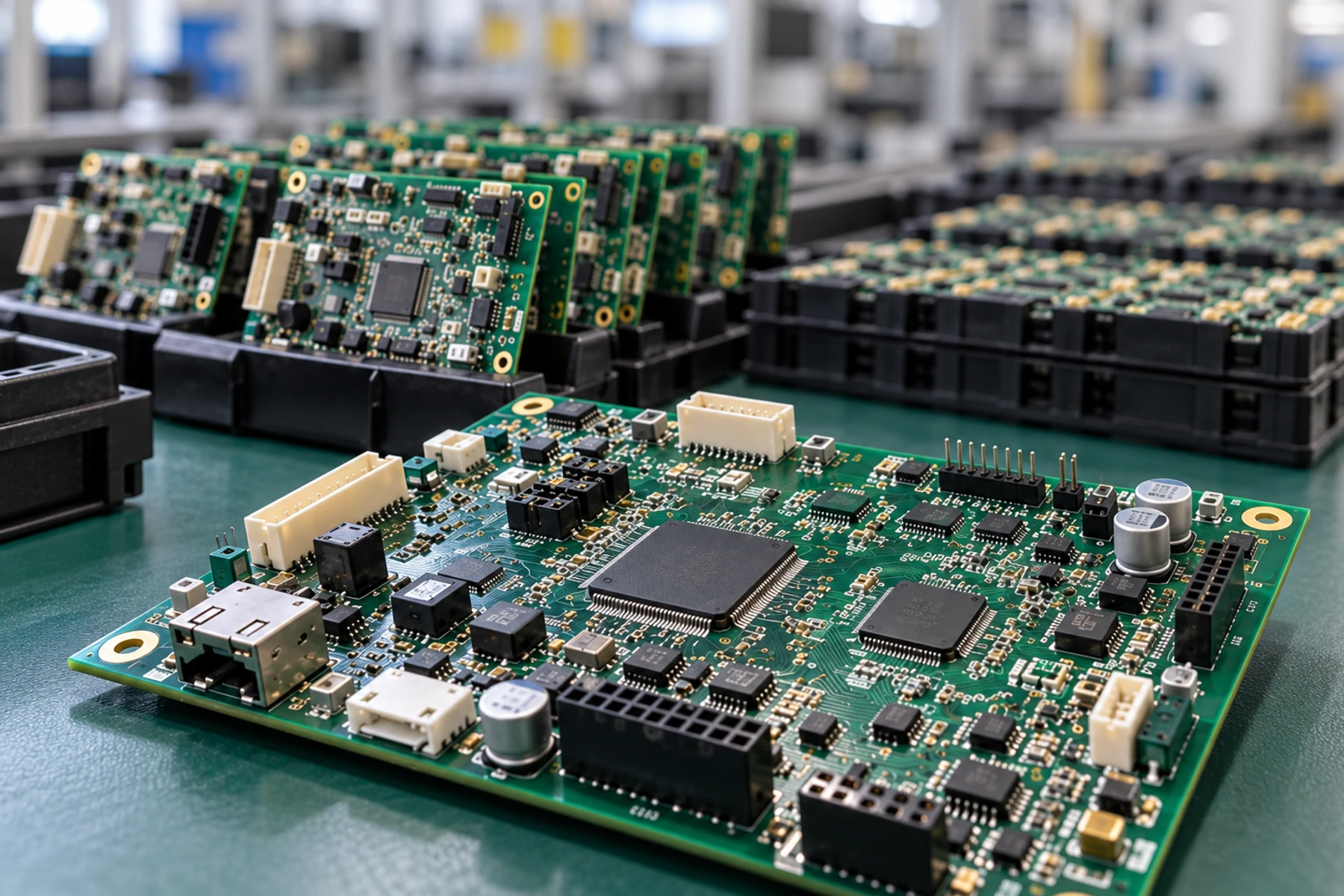
High TG boards shouldn’t be over-engineered—they just need to be resilient. Sunhope delivers specialized 1-8 layer High TG PCBs built for continuous thermal stress, industrial power supplies, and heavy-duty automotive electronics. Recognizing that structural variables and potential product anomalies are part of any authentic production line, we mitigate risks through transparent engineering and repeatable fabrication metrics. Clean traces, consistent hole walls, and dependable layer-to-layer adhesion—tailored exactly for the thermal management needs of your low-to-mid layer-count designs. 

What Is A High TG PCB?

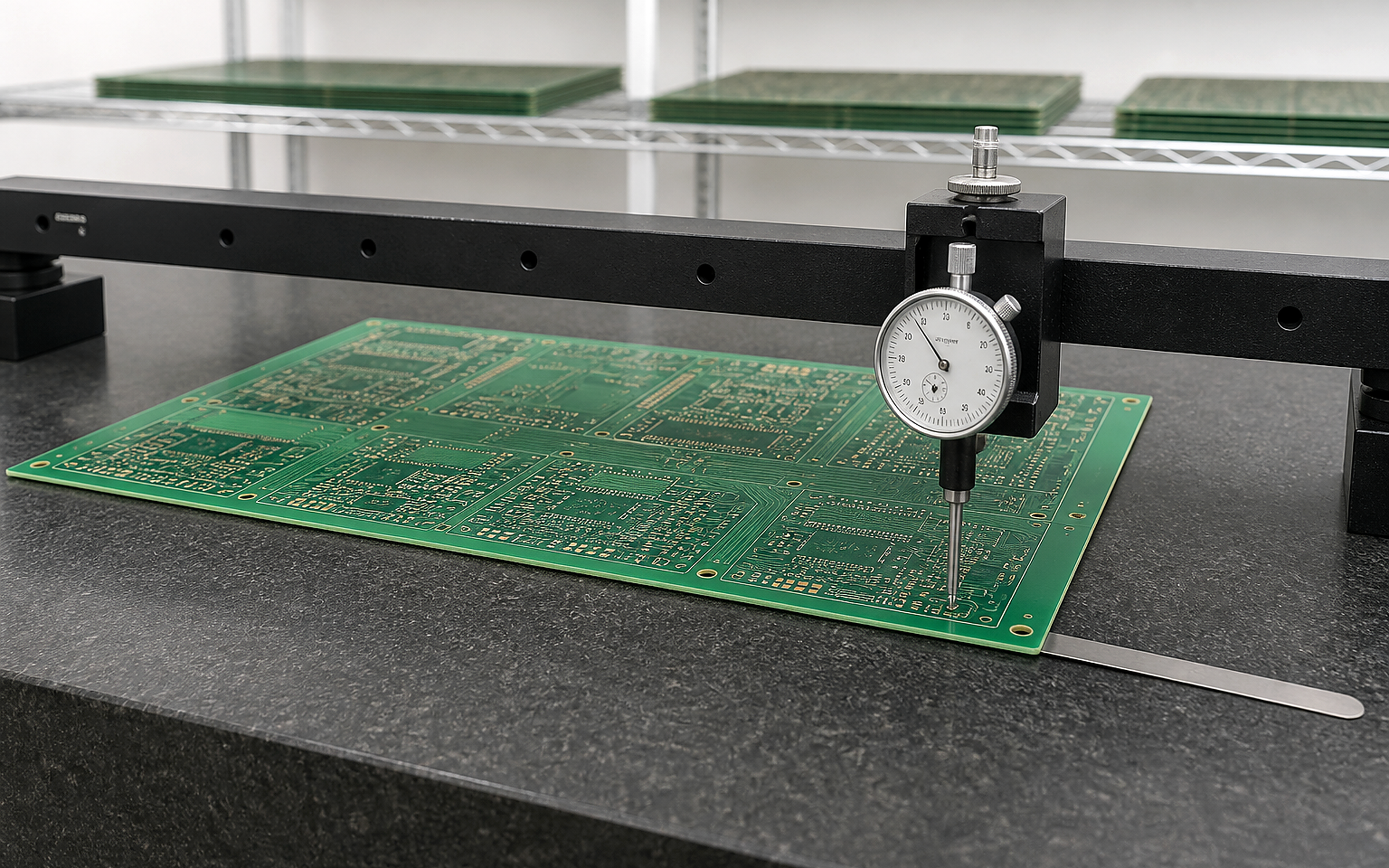
Tg (Glass Transition Temperature) marks the temperature region where a PCB laminate’s resin changes from a rigid, glass-like state toward softer, rubber-like behaviour. Many standard FR-4 grades have a Tg around 130°C–140°C, while high-Tg laminates are commonly specified at 170°C or above. When matched to the finished-board construction, this higher transition point provides greater mechanical margin through demanding thermal processes, supporting dimensional stability and helping reduce stress on plated holes, delamination and blistering during lead-free reflow or repeated thermal cycles. Tg is not a decomposition or continuous-use temperature; final selection should also consider Td, Z-axis expansion, T260/T288, moisture behaviour and the actual assembly and operating profile.

Key Advantages Of High TG PCBs

Greater Thermal-Process Margin

A suitably selected high-Tg grade can provide more margin through demanding lead-free reflow or rework profiles, helping resist delamination and blistering when its Td and T260/T288 performance are also matched to the process.

Lower Z-Axis Expansion for PTH Support

High-Tg grades with lower Z-axis expansion can reduce thermally induced strain on plated-through holes and support vertical-interconnect durability through repeated assembly cycles.

Improved Dimensional & Mechanical Stability

The selected laminate system can better retain its mechanical behaviour above the transition region, supporting board dimensions and flatness through defined thermal exposure.

Moisture & CAF Options for Demanding Environments

Selected high-Tg material families also offer improved moisture and CAF characteristics, helping designers match hot, humid or high-reliability applications with the right laminate system.

Thermal Performance & Material Comparison

PropertyRepresentative Standard-Tg GradeRepresentative Mid-Tg Grade Representative High-Tg Grade
Glass Transition Temperature (Tg)130°C - 140°C150°C - 160°C≥170°C (e.g., Shengyi S1000-2 / Kingboard)
Decomposition Temperature (Td)≤310°C~325°C≥340°C (Strong lead-free soldering endurance)
Z-Axis Total Thermal Expansion (50°C to 260°C)4.5% - 5.5%3.5% - 4.5%2.5% - 3.0% (Significantly reduces via/PTH failure risks)
Time to Delamination (T288 Test)5 - 10 min15 - 20 min≥30 min (Significantly reduced delamination and blistering risk under sustained heat)
Typical Applications / ScenariosStandard consumer electronics, low-power devicesStandard automotive electronics, general industrial controls High-power supplies, high-output LED thermals, industrial inverters

Values shown are typical laminate datasheet ranges; actual performance is subject to the selected material grade.

Manufacturing Capabilities

Looking for detailed mechanical or electrical processing capabilities?

To optimize your browsing efficiency, we have consolidated our verified baseline capabilities — including Tg grades, thermal reliability and all 1-8 layer parameters — into a single reference matrix. Access our master data sheet below to review complete technical parameters across all 1-8 layer PCB products.

Access Master Capabilities & Technical Specs →

High TG PCB DFM Guidelines

Get A Quote

Review Laminate Compatibility Across the Stack-up

Do not change or combine laminate systems without stack-up review. Hybrid constructions can be valid, but resin compatibility, bonding system, CTE, cure cycle, dielectric requirements and supplier guidance must be evaluated and explicitly approved before production release.

Account for the Selected Lamination System

Lamination temperature, cure cycle, material movement and registration allowance vary by laminate family and finished stack-up. Confirm annular-ring margin against the actual material, layer count, copper distribution and drilling tolerance rather than applying one fixed value to every high-Tg design.

Balance Copper & Thermal Connections

Where high-current planes or larger copper areas are present, thermal-relief and pad geometry should balance solderability with current needs, while layer-to-layer copper distribution supports stack-up symmetry and flatness. These choices follow the actual electrical and assembly design—not the high-Tg label alone.

Plan Hole-to-Copper Clearance

For suitable mechanically drilled high-Tg projects, 0.25 mm (10 mil) can be used as a conservative early planning value. SUNHOPE then confirms the finished clearance through DFM against hole size, annular ring, registration, material grade and drilling route; tighter layouts can be submitted for review.

Match Surface Finish to Assembly & End Use

For fine-pitch layouts, flatness and storage needs, ENIG is often a strong option; where pad geometry and process conditions allow, lead-free HASL can offer a cost-conscious route. Final selection follows component pitch, solderability, storage, reflow/rework profile and customer specification—not Tg alone.

THE SUNHOPE SOLUTION

Overcoming High TG PCB Manufacturing Challenges

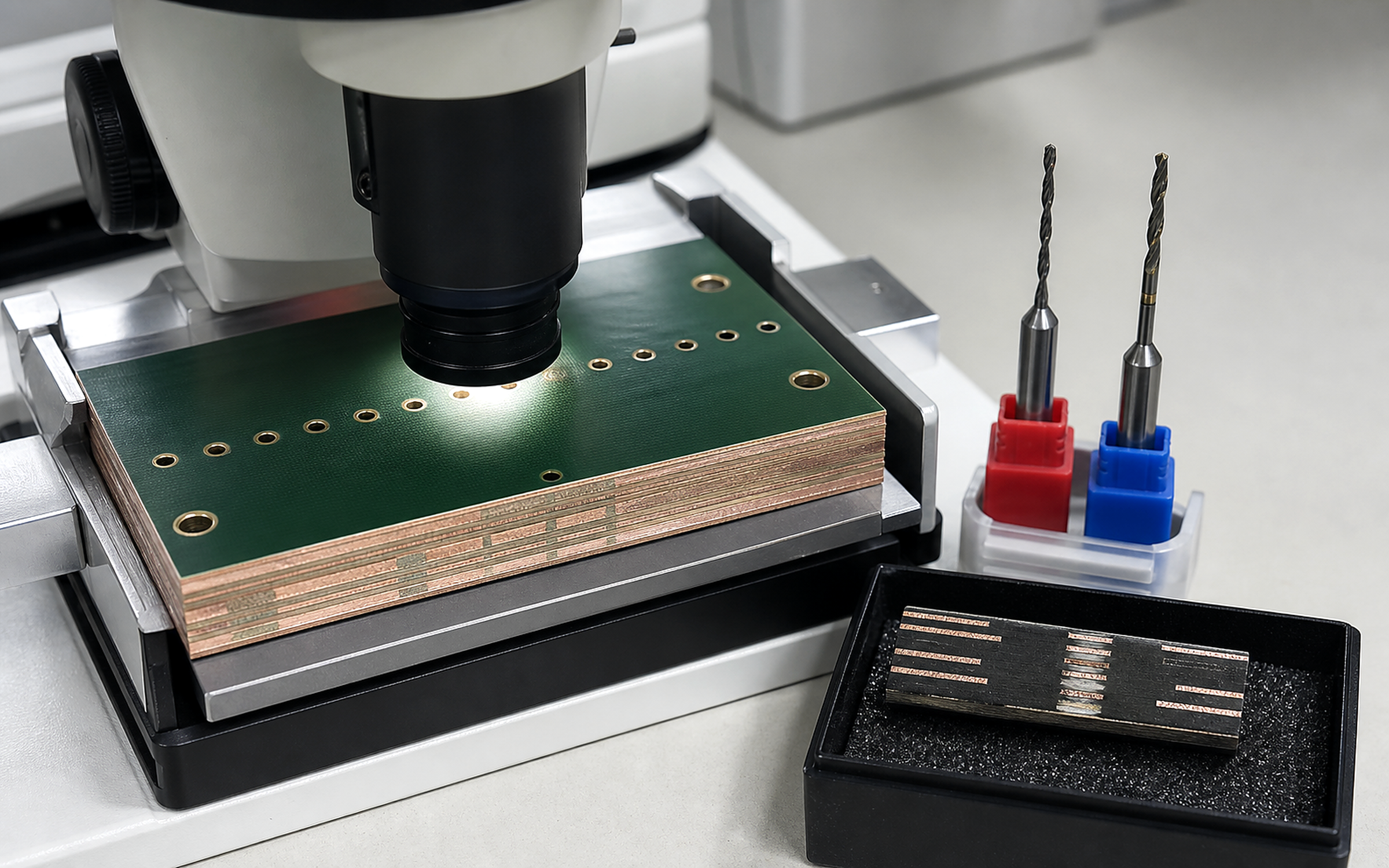
Drilling Brittleness & Drill Smear Control

The Challenge

High TG resin matrices are physically harder and more brittle. During high-speed drilling, the intense friction generates high localized heat, which easily causes the resin to melt and form "drill smear" on inner copper layers, leading to microscopic cracking or critical electrical opens.

Sunhope’s Solution

We implement strict tool-lifespan management by significantly lowering the maximum allowed hit-count per drill bit for high TG materials. Additionally, we dynamically optimize spindle speeds and feed rates tailored specifically to high-hardness laminates, ensuring clean, smooth hole walls and reducing resin smear risks at the source.

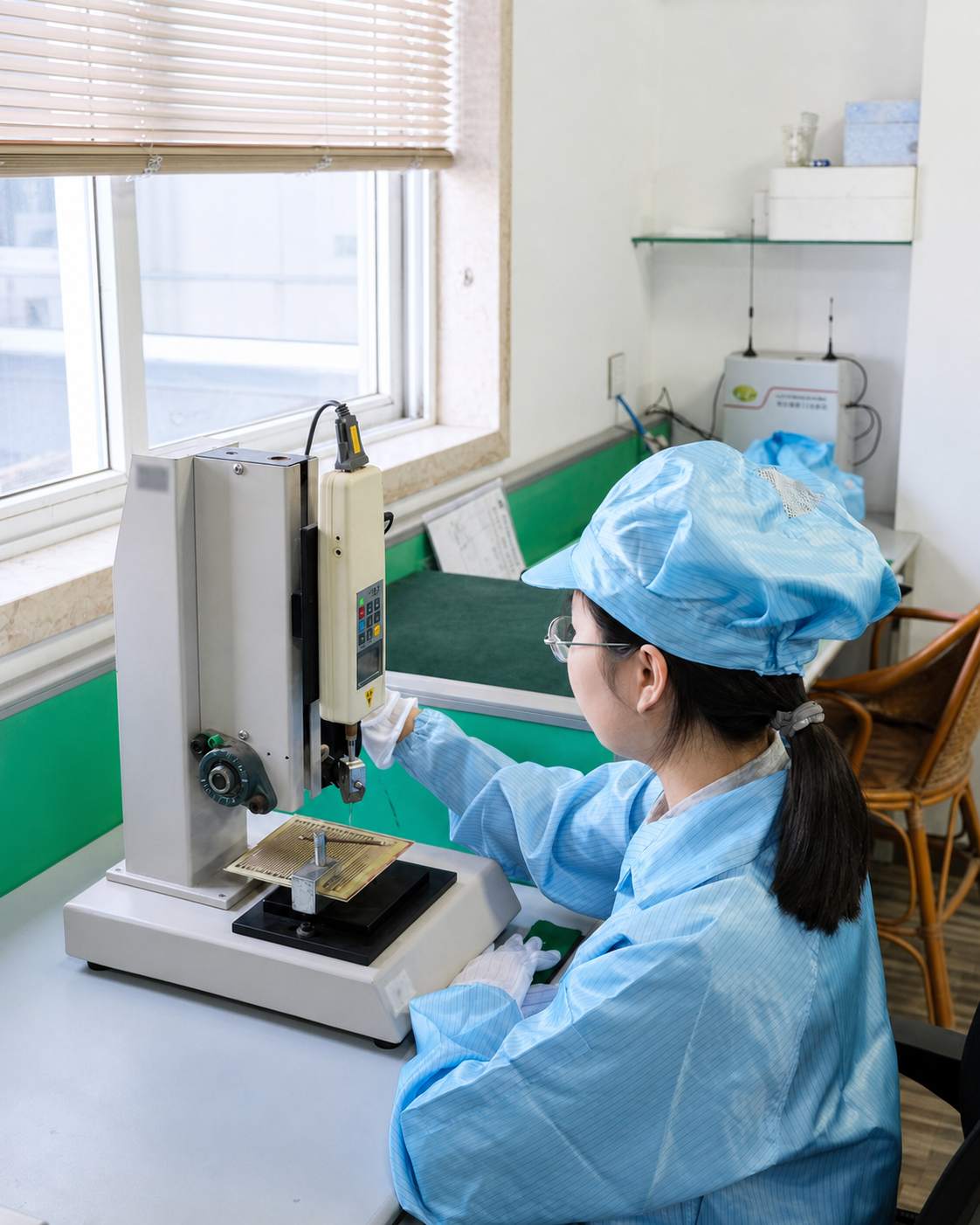
Quality Testing & Inspection

Quality Testing & Inspection

High-Tg projects combine material-document control with the inspection route required by the actual board construction. Thermal, material and structural evidence is generated at the lot, periodic or project frequency stated in the applicable specification and control plan:

Thermal-Stress Verification

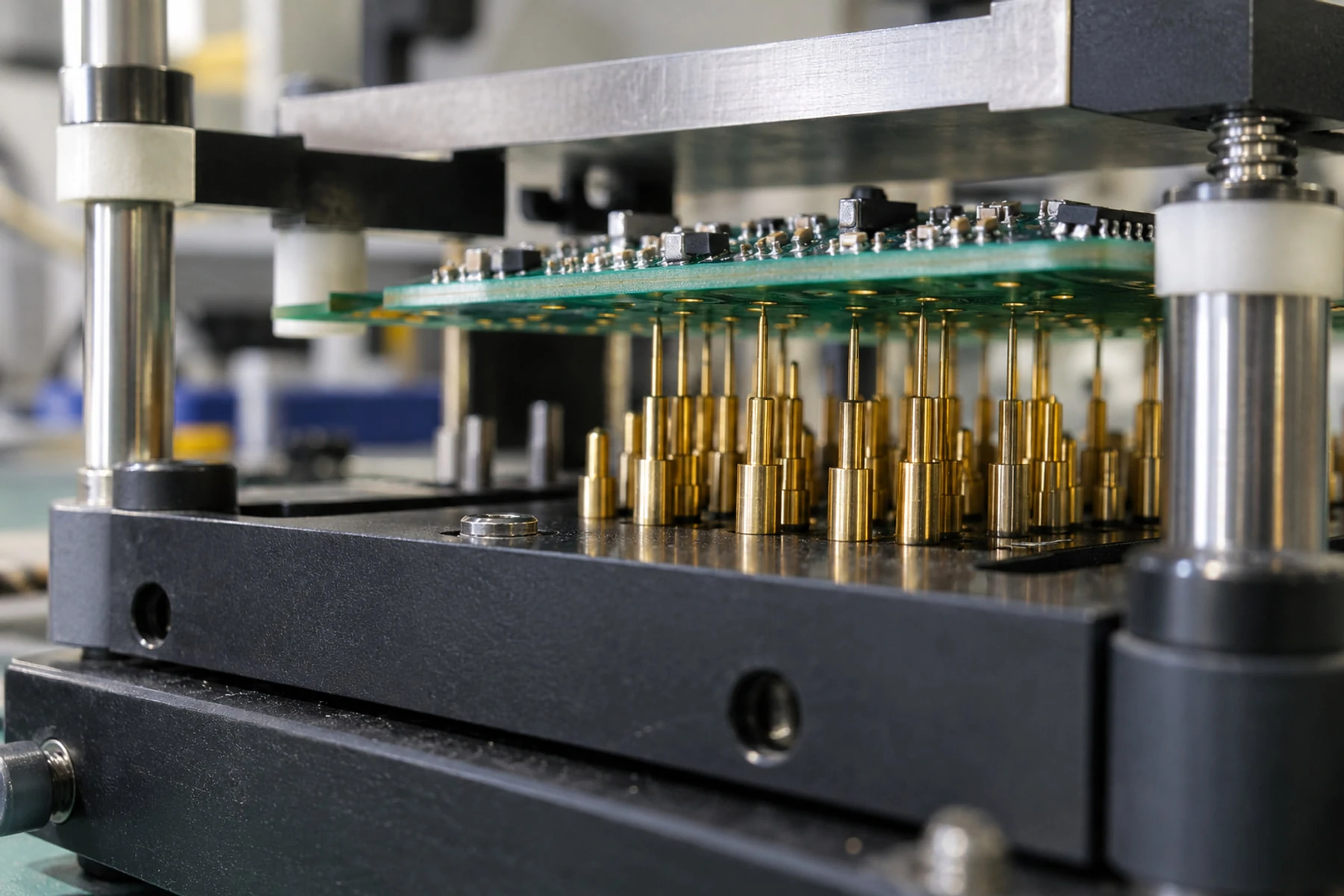
Solder-float or other thermal exposure is performed when defined by the material-control plan, applicable standard or customer requirement. Temperature, duration, cycles, sample basis and acceptance criteria follow the referenced method rather than one recipe being assumed for every high-Tg board.

Post-Stress Microsection

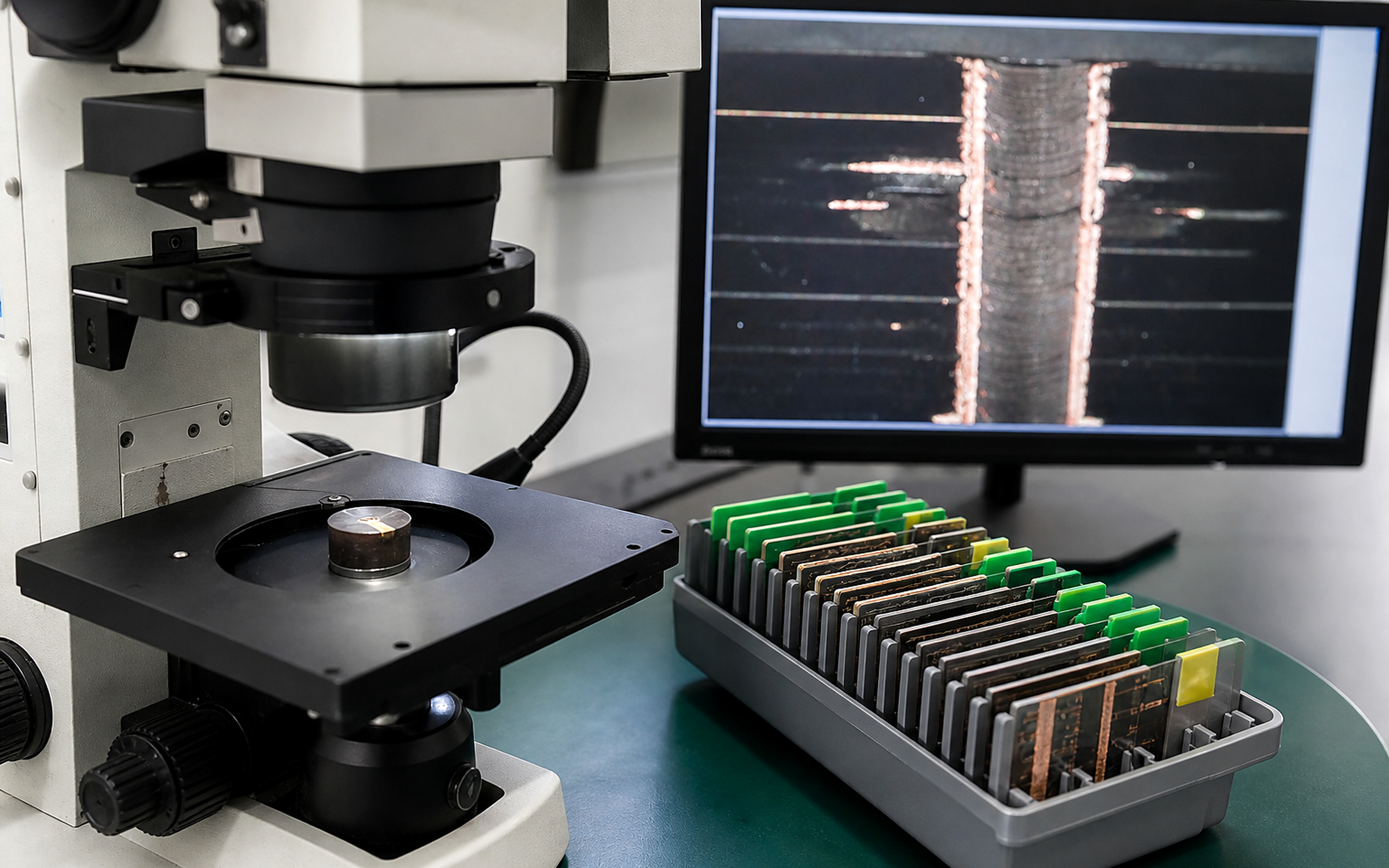
Production coupons or sampled specimens are sectioned at the defined frequency to examine specified PTH copper, registration, interfaces or other structural characteristics after the approved thermal exposure. The evidence applies to the sampled structure and production lot.

Material Tg Verification

Supplier identification, grade and batch documentation form the release basis. DSC or another agreed material-verification method is used for incoming qualification, periodic confirmation or project-specific evidence when required; the acceptance value follows the selected laminate specification.

AOI & Electrical Testing

Circuit-pattern inspection follows the applicable image stage. Finished double-sided and multilayer high-Tg PCBs receive 100% netlist-based continuity and isolation testing; single-sided coverage follows the approved risk-and-cost plan. Neither AOI nor electrical testing is presented as proof of every thermal or structural characteristic.

Inspection reports, electrical test records, microsections, and certificates of conformance are available according to project requirements.

Certifications & Compliance

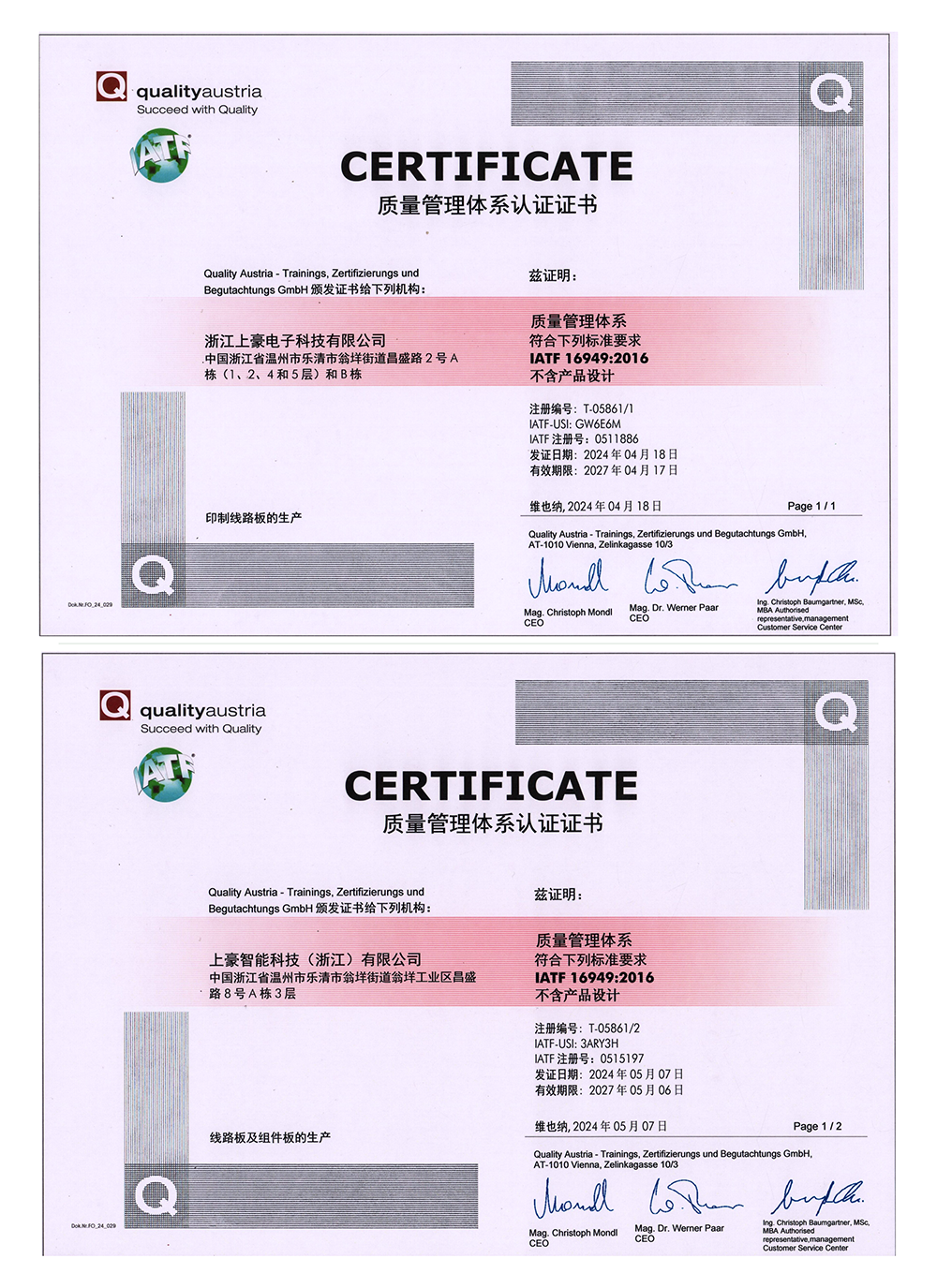
  • • IATF16949
  • • UL Certificate
  • • RoHS Compliance
  • • REACH Compliance
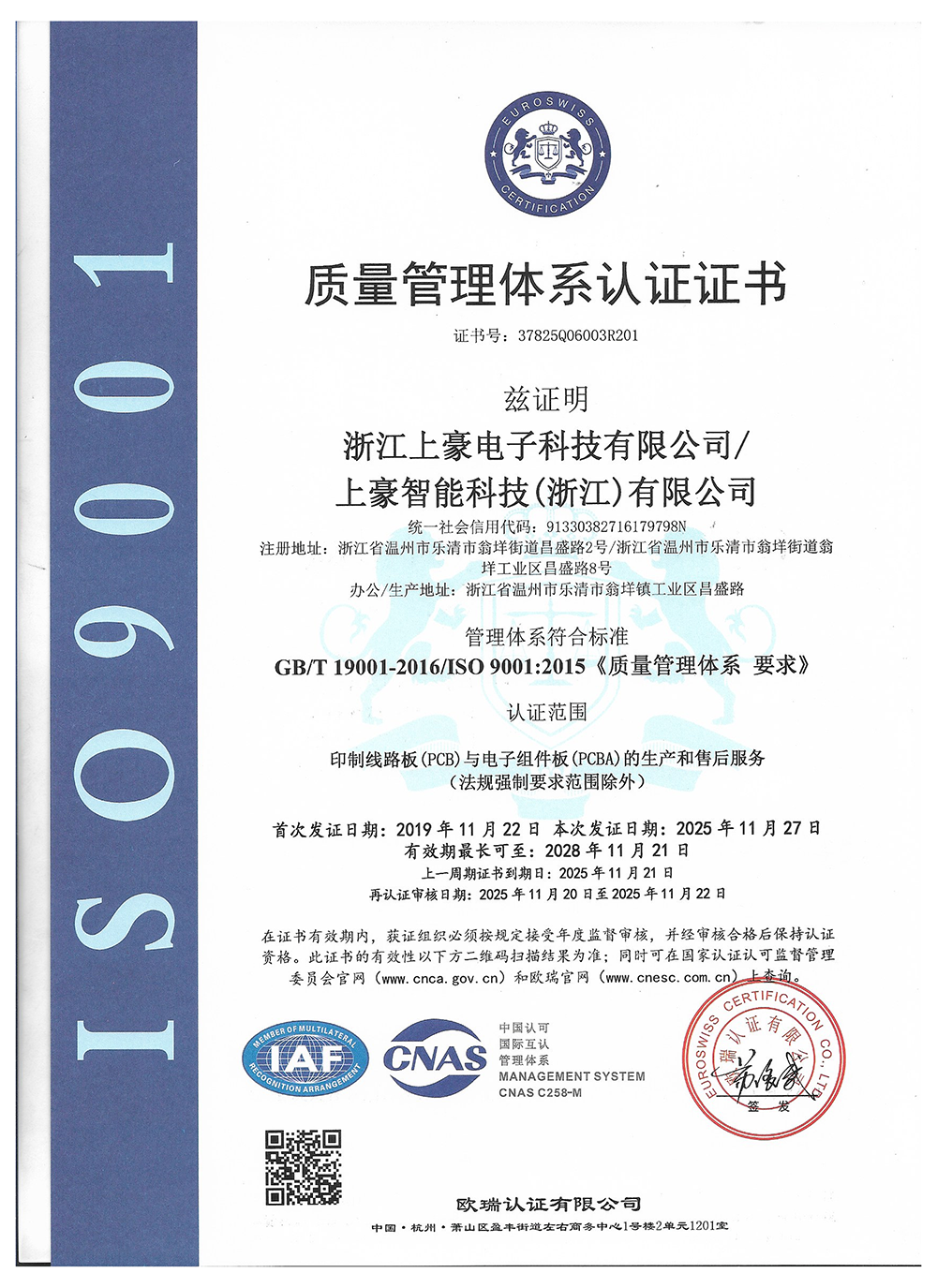
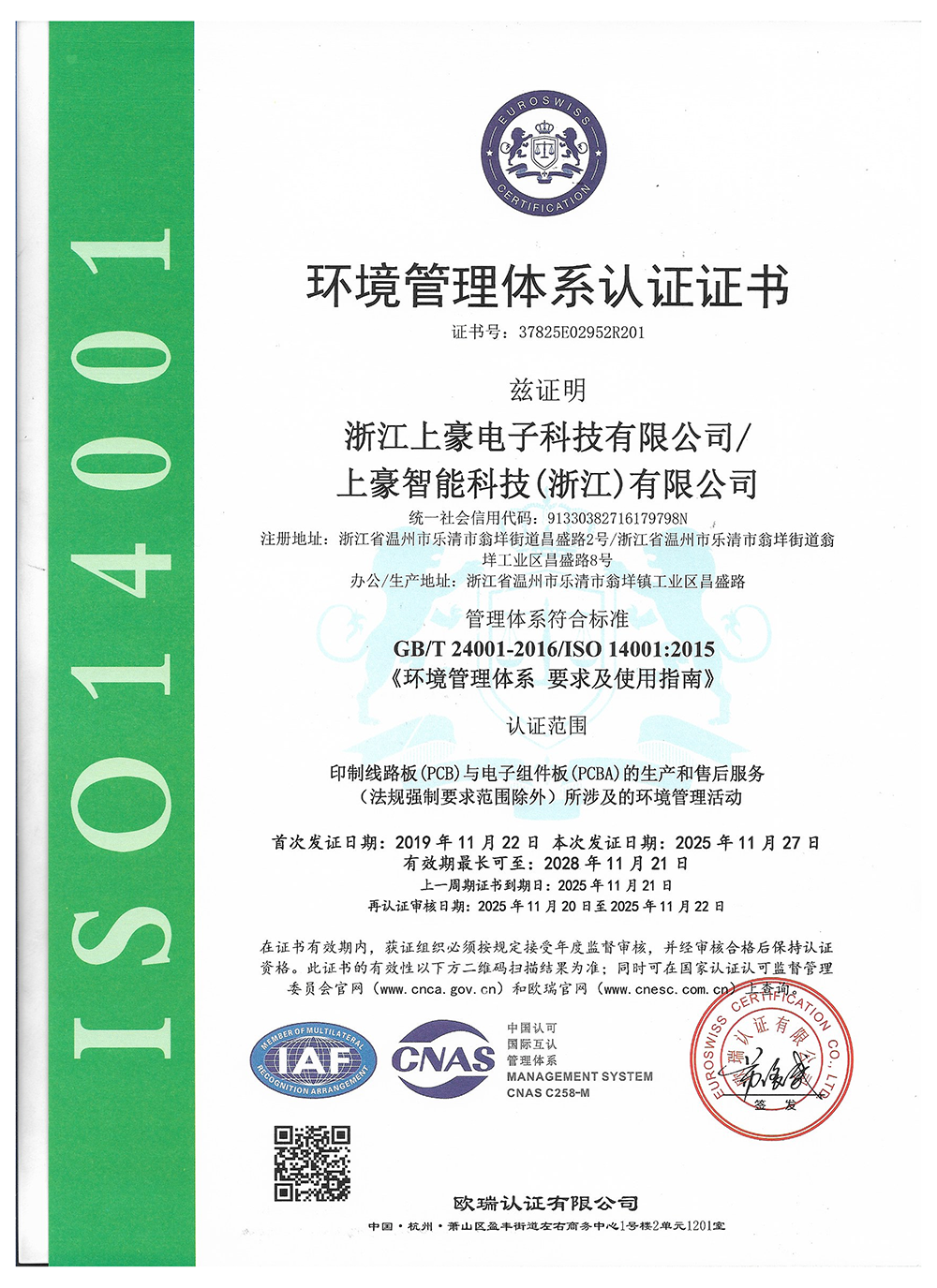
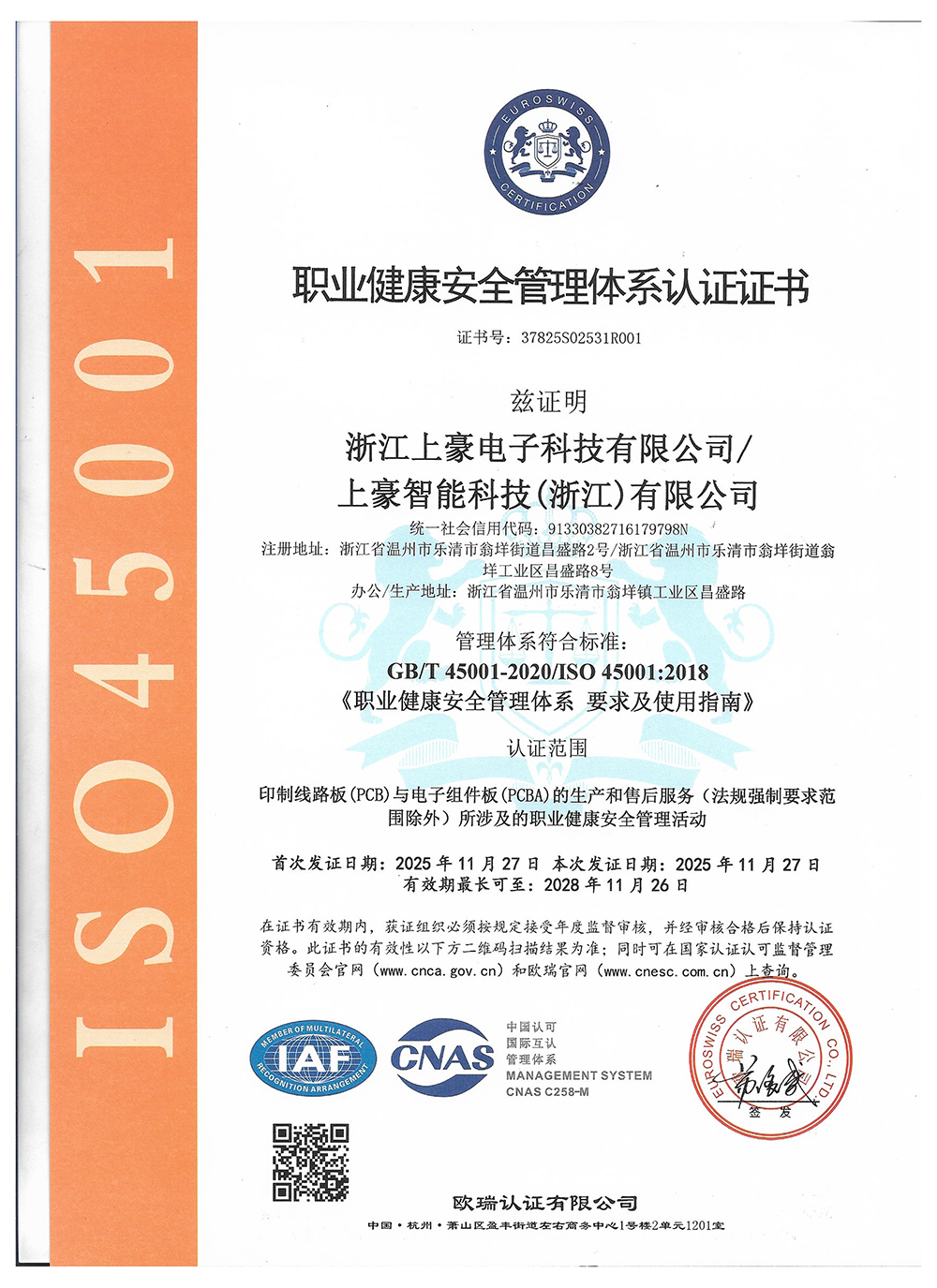
  • • ISO9001 / ISO14001 / ISO45001
More Certifications & Awards
IATF 16949
IATF 16949
ISO 9001
ISO 9001
ISO 14001
ISO 14001
ISO 45001
ISO 45001

Target Applications of High TG PCBs

Industrial Power Supplies & Inverters

Used in high-voltage power modules, motor drives, and industrial inverters that generate substantial heat. High TG PCBs ensure structural integrity and stable electrical performance during continuous high-temperature operations.

High TG PCB Product FAQ

Have more questions? Visit our Comprehensive FAQ Center for more detailed information.

View More FAQ

Consider a higher-Tg laminate when the assembly profile, repeated reflow/rework exposure, finished construction or reliability requirement needs more thermal-process margin. Sustained operating temperature must also be checked against the material’s continuous-use/RTI data and the product’s complete thermal design—not Tg alone.